


Understanding Trimmer Potentiometers: Essential Insights for Electronics Professionals
Category: Knowledge
Time: 2024-08-04
Summary: Trimmer potentiometers, often referred to as "trimmers," are a type of adjustable resistor that play a pivotal role in fine-tuning electronic circuits. These components are designed to adjust the resistance value in a circuit, allowing engineers and technicians to calibrate devices for optimal performance. They are commonly used in applications where precise adjustments and calibrations are requir
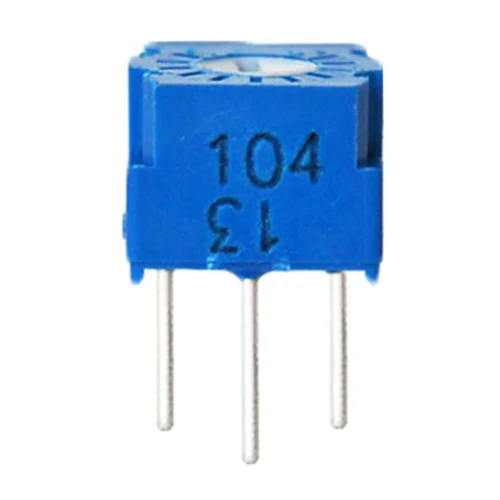
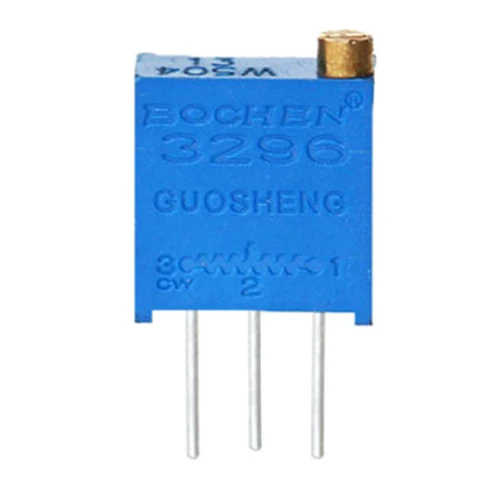
One of the defining features of trimmer potentiometers is their compact size and ability to be adjusted manually. Typically, they are mounted on a printed circuit board (PCB) and can be tweaked using a small screwdriver or a specialized tool. This makes them particularly useful in settings where space is at a premium and where adjustments must be made during the manufacturing process or after deployment.
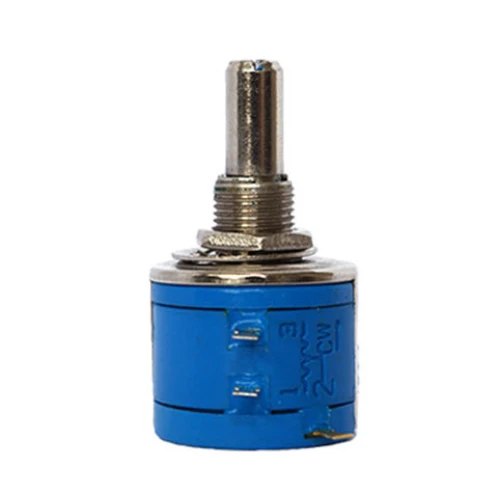
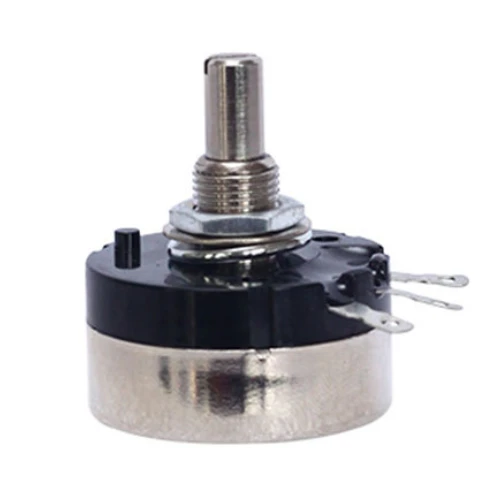
Trimmer potentiometers come in various configurations, including single-turn, multi-turn, and even digital variants. Single-turn trimmers allow for a quick adjustment over a limited range, while multi-turn models enable finer control over resistance changes, making them ideal for applications requiring precise calibration. Digital trimmers, on the other hand, can be controlled via digital interfaces, integrating seamlessly with microcontrollers and other digital systems.
When selecting a trimmer potentiometer for a specific application, it is essential to consider several factors, including resistance range, tolerance, power rating, and the mechanical design of the trimmer. Resistance range is critical as it dictates how much adjustment can be made. Tolerance, typically expressed as a percentage, indicates how closely the resistance value can be expected to match the specified value. A lower percentage means higher precision. Power rating should also not be overlooked, as using a trimmer beyond its rated power can lead to failure or inaccurate readings.
Another important aspect to consider is the environmental conditions under which the trimmer will operate. Factors such as temperature, humidity, and potential exposure to contaminants can impact the performance and longevity of the component. Therefore, selecting a trimmer that is rated for the specific environmental conditions is essential for ensuring reliability and performance.
In conclusion, trimmer potentiometers are indispensable components in the world of electronics, providing the necessary flexibility for circuit calibration and adjustment. A thorough understanding of their specifications and applications can greatly enhance the effectiveness of your electronic designs. By considering factors like resistance range, tolerance, and environmental conditions, professionals can make informed choices that lead to optimal circuit performance and longevity.
Keywords: Understanding Trimmer Potentiometers: Essential Insights for Electronics Professionals
Related Information
Company news
-
People's Representative Newspaper - Guosheng Technology: With innovation as the lead, explore the road to a powerful country
Time:2023-03-21
-
Green low-carbon integrity demonstration establishment enterprise - Chengdu Guosheng Technology Co., Ltd.
Time:2023-03-21
-
Chengdu Guosheng Technology Co., Ltd. has been awarded as the "Vice President Unit of Sichuan Good Partner Elite Club"
Time:2023-02-21
-
Good news: Chengdu Guosheng Technology Co., Ltd. has won the 2022 Chengdu Social Responsibility Brand Award
Time:2023-02-21
-
Chengdu Guosheng Technology Co., Ltd. was awarded the "Excellent Brand" award in the 2022 Sichuan Entrepreneurs Brand List.
Time:2023-01-18
-
Chinese Communist Party of Chengdu Guosheng Technology Co., Ltd. Branch was established
Time:2017-12-20
-
Guosheng Science and Technology began "to implement the norms of intellectual property management" start the work
Time:2017-12-10
-
Chengdu Guosheng Technology Co., Ltd. to declare the "high-tech enterprises" first instance passed
Time:2017-12-10
-
My company's products much favored customers
Time:2014-05-14
Knowledge
-
Understanding Trimmer Potentiometers: Essential Insights for Electronics Professionals
Time:2024-10-16
-
Top Applications of Trimmer Potentiometers in Modern Devices
Time:2024-10-08
-
Understanding Trimmer Potentiometers: A Comprehensive Guide for Professionals
Time:2024-10-07
-
Understanding Trimmer Potentiometers: A Comprehensive Guide to Adjustable Resistance
Time:2024-10-06
-
Understanding Trimmer Potentiometers: Essential Insights for Electronics Professionals
Time:2024-10-05
-
How to Properly Use a 3296 Potentiometer for Optimal Performance
Time:2024-10-04
-
Understanding the Versatility and Applications of the 3296 Potentiometer
Time:2024-10-03
-
Top Applications of the 3296 Potentiometer in Modern Electronics
Time:2024-10-02
-
Unlocking the Potential of 3296 Potentiometers: Essential Insights for Electronic Enthusiasts
Time:2024-10-01
-
Mastering Circuit Adjustments with 10K Trimmer Resistors: A Comprehensive Guide
Time:2024-09-30
-
Understanding the Importance of Trimmer 10k Potentiometers in Electronic Applications
Time:2024-09-29
-
Why 10K Trimmer Resistors Are Essential for Your Electronic Projects
Time:2024-09-28
-
Understanding the Role of the Trimmer 10K in Electronic Components
Time:2024-09-27
-
Innovative Uses for the 3362 Potentiometer in DIY Electronics
Time:2024-09-26
-
Understanding the 3362 Potentiometer: Applications and Benefits in Electronic Components
Time:2024-09-25
-
The Impact of Temperature on the Performance of the 3362 Potentiometer: An In-Depth Analysis
Time:2024-09-24
-
Understanding the 3362 Potentiometer: A Comprehensive Guide for Electronic Applications
Time:2024-09-23
-
A Deep Dive into the Benefits of Using Trimmer 3296 in Circuit Design
Time:2024-09-22
-
Understanding Trimmer 3296: A Comprehensive Guide for Professionals
Time:2024-09-21
-
Exploring the Versatility of the Trimmer 3296 in Potentiometer Applications
Time:2024-09-20
-
Understanding the Trimmer 3296: A Comprehensive Guide for Electronic Component Enthusiasts
Time:2024-09-19
-
Maximize Efficiency: Selecting the Right Trimming Potentiometer for Your Applications
Time:2024-09-18
-
Understanding the 3262W Trimmer: Essential Insights for Professionals
Time:2024-09-17
-
Discover the Advantages of Utilizing Trimmers in Electronic Circuits for Optimal Performance
Time:2024-09-16
-
Understanding the 3262W Trimmer: A Comprehensive Guide for Electronic Components
Time:2024-09-15
-
Enhancing Precision Technology: The Impact of Rotary Encoders and Digital Potentiometers
Time:2024-09-14
-
Understanding Rotary Encoders and Digital Potentiometers: A Comprehensive Guide for Professionals
Time:2024-09-13
-
Revolutionizing Electronic Interfaces with Digital Potentiometers and Rotary Encoders
Time:2024-09-12
-
Understanding the Benefits of Rotary Encoder Digital Potentiometers in Electronics
Time:2024-09-11
-
Mastering the Art of Precision Control with WH138 Potentiometers: A Comprehensive Guide
Time:2024-09-10
-
Understanding the WH138 Potentiometer: A Comprehensive Guide for Professionals
Time:2024-09-09
-
The Evolution of WH138 Potentiometers: From Analog to Digital Age
Time:2024-09-08
-
Understanding WH138 Potentiometers: Key Features and Applications
Time:2024-09-07
-
The Impact of 800W Resistors on Circuit Efficiency and Stability
Time:2024-09-06
-
Understanding the Significance of 800W Resistors in Electronic Components
Time:2024-09-05
-
800W Resistors: Innovating Power Distribution in Electronic Devices
Time:2024-09-04
-
Understanding 800W Resistors: Key Insights for Your Electronic Projects
Time:2024-09-03
-
Day 50: Innovative Ways to Use 6mm Potentiometer Knobs in Your Projects
Time:2024-09-02
-
Day 51: Mastering Precision Control with 6mm Potentiometer Knobs - Unlocking Ultimate Performance
Time:2024-09-01
-
Day 52: Elevate Your Electronics with Stylish 6mm Potentiometer Knobs
Time:2024-08-31
-
Unlocking the Potential of Your Devices with 6mm Potentiometer Knobs: A Comprehensive Guide
Time:2024-08-30
-
Why Choosing the Right Potentiometer Matters: A Comprehensive Exploration of W503 Models
Time:2024-08-29
-
Understanding the W503 Potentiometer: A Key Component in Electronics
Time:2024-08-28
-
Unlocking Precision: The Versatile Applications of W503 Potentiometer
Time:2024-08-27
-
Understanding the W503 Potentiometer: A Key Component in Electronics
Time:2024-08-26
-
Top 5 Benefits of Using Trimmers in Circuit Design: Elevate Your Electronic Projects
Time:2024-08-25
-
Understanding the Role of Trimmer Resistors in Electronic Applications
Time:2024-08-24
-
Unlocking Precision: How Trimmers Revolutionize Electronic Components
Time:2024-08-23
-
Understanding the Trimmer 100k: A Comprehensive Guide to Potentiometers
Time:2024-08-22
-
Why the Trimmer 3296 is Essential for Your Electronic Projects
Time:2024-08-21
-
Understanding the Functionality and Importance of Trimmer 3296 in Electronic Components
Time:2024-08-20
-
Unlocking the Potential of the Trimmer 3296: A Comprehensive Guide to Precision and Performance
Time:2024-08-19
-
Understanding Trimmer 3296: A Comprehensive Guide to Potentiometers
Time:2024-08-18
-
Mastering the 3362 Potentiometer: Essential Tips and Best Practices for Effective Design
Time:2024-08-17
-
Understanding the 3362 Potentiometer: A Key Component in Electronics
Time:2024-08-16
-
Step-by-Step Guide: How to Install a 3362 Potentiometer for Optimal Performance
Time:2024-08-15
-
Understanding the 3362 Potentiometer: A Key Component in Electronic Circuits
Time:2024-08-14
-
Unlocking the Potential of Your Circuit: How 10K Trimmer Resistors Work
Time:2024-08-13
-
Understanding the Role of Trimmer 10k Potentiometers in Electronic Circuits
Time:2024-08-12
-
10K Trimmer Resistors: The Ultimate Guide to Precision Tuning
Time:2024-08-11
-
Understanding the Importance of the Trimmer 10K in Electronic Components
Time:2024-08-10
-
Why the 3296 Potentiometer is a Must-Have for Your Electronics Toolkit
Time:2024-08-09
-
Understanding the 3296 Potentiometer: A Key Component in Electronic Applications
Time:2024-08-08
-
Unlocking the Versatility of the 3296 Potentiometer in Electronic Circuits
Time:2024-08-07
-
Understanding the 3296 Potentiometer: A Comprehensive Guide for Electronics Enthusiasts
Time:2024-08-06
-
Why Trimmer Potentiometers are Essential for Circuit Calibration
Time:2024-08-05
-
Understanding Trimmer Potentiometers: Essential Insights for Electronics Professionals
Time:2024-08-04
-
Unlocking Precision: The Role of Trimmer Potentiometers in Electronics
Time:2024-08-03
-
Understanding Trimmer Potentiometers: A Guide for Electronics Enthusiasts
Time:2024-08-02
Industry information
-
Extrusion process with the mold and extrusion die how to choose
Time:2017-12-20
-
Talking about the Cable Security Level of Wiring Specification
Time:2017-12-20
-
Discussion on High Voltage XLPE Insulation Power Cables
Time:2017-12-20
-
Discussion on Irradiation Crosslinked Power Cables
Time:2017-12-20
-
Talking about superconducting cable compared with conventional cable has the following advantages
Time:2017-12-20
-
Cable detection technology
Time:2017-12-20
-
Identify the quality of the cable can be started from a few simple ways
Time:2017-12-20
-
Factors Affecting RTD Temperature Sensor Measurement
Time:2017-12-18
-
Commonly used low-voltage cables have what
Time:2017-12-18
-
Talking about the cloth wire knowledge
Time:2017-12-18
-
2014 China's electronic components industry welcome development opportunities
Time:2014-05-24