


Unlocking the Versatility of the 3296 Potentiometer in Electronic Circuits
Category: Knowledge
Time: 2024-08-07
Summary: Unlocking the Versatility of the 3296 Potentiometer in Electronic Circuits Table of Contents Introduction to Potentiometers: The Basics What is the 3296 Potentiometer? Technical Specifications of the 3296 Potentiometer Applications of the 3296 Potentiometer in Circuits Advantages of Using the 3296 Potentiometer Installation Guide for the 3296 Potentiometer Troubleshoot
Unlocking the Versatility of the 3296 Potentiometer in Electronic Circuits
Table of Contents
- Introduction to Potentiometers: The Basics
- What is the 3296 Potentiometer?
- Technical Specifications of the 3296 Potentiometer
- Applications of the 3296 Potentiometer in Circuits
- Advantages of Using the 3296 Potentiometer
- Installation Guide for the 3296 Potentiometer
- Troubleshooting Common Issues with the 3296 Potentiometer
- Frequently Asked Questions
- Conclusion
Introduction to Potentiometers: The Basics
In the realm of electronics, potentiometers play a crucial role in various circuit designs. These variable resistors adjust voltage levels within a circuit, allowing for greater control over performance. The **3296 potentiometer** has emerged as a popular choice among engineers and hobbyists alike due to its remarkable versatility and reliability. This article will delve into the features and applications of the 3296 potentiometer, providing insights that can enhance your understanding and implementation of this essential electronic component.
What is the 3296 Potentiometer?
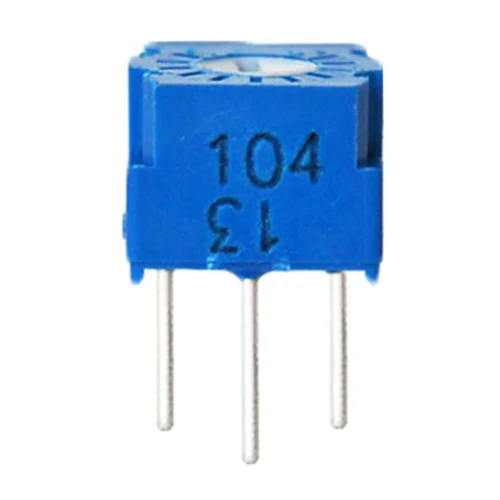
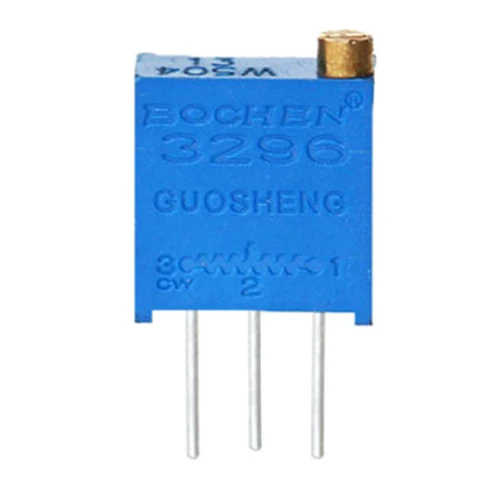
The 3296 potentiometer is a **trimming potentiometer**, often utilized in applications requiring precise adjustments of resistance values. With a compact form factor, the 3296 is designed for various circuit configurations. Typically, this component features a linear or logarithmic taper and offers a range of resistance values, ensuring flexibility in numerous applications.
Key Features of the 3296 Potentiometer
- **Small size**: The compact design enables easy integration into tight spaces within electronic circuits.
- **Adjustable resistance**: Users can easily modify resistance values to fine-tune circuit performance.
- **Durability**: Constructed with high-quality materials, the 3296 potentiometer is built to withstand environmental factors and continuous use.
- **Versatile applications**: This potentiometer can be used in diverse electronic devices, including audio equipment, sensors, and power management systems.
Technical Specifications of the 3296 Potentiometer
Understanding the technical specifications of the 3296 potentiometer is essential for selecting the right component for your project. Below are some critical specifications to consider:
Resistance Values
The 3296 potentiometer is available in a variety of resistance values ranging from **10 ohms to 1 megohm**. Each value serves distinct functions in electronic circuits, making it important to select the appropriate resistance for your specific application.
Power Rating
Typically, the power rating for the 3296 potentiometer is around **0.5 watts**, which indicates the maximum power the potentiometer can handle without failure. It’s crucial to ensure that your application does not exceed this limit to maintain reliability.
Temperature Range
The operating temperature range for the 3296 potentiometer is between **-55°C to +125°C**, making it suitable for various environments, from consumer electronics to industrial applications.
Applications of the 3296 Potentiometer in Circuits
The versatility of the 3296 potentiometer allows it to be employed in a myriad of applications:
Audio Equipment
In audio devices, the 3296 potentiometer is used to control volume levels, balance, and tone adjustments. Its accuracy aids in achieving the desired sound quality.
Calibration and Trim Applications
This potentiometer is often utilized for calibration purposes in sensors and other electronic components. It allows for precise adjustments to compensate for manufacturing variances and environmental conditions.
Power Management Systems
In power management circuits, the 3296 potentiometer can be used to set the voltage levels for proper functioning, ensuring devices operate within the desired parameters.
Signal Processing Circuits
In signal processing, this potentiometer helps to adjust gain levels, aiding in achieving optimal signal quality and performance.
Advantages of Using the 3296 Potentiometer
The 3296 potentiometer offers several advantages that make it a preferred choice among electronic engineers:
Precision and Accuracy
One of the primary benefits of the 3296 potentiometer is its ability to deliver precise adjustments. This precision is critical in applications where small changes can significantly affect overall performance.
Compact Design
Its small footprint allows for integration into densely-packed circuit boards, making it ideal for modern electronic devices where space is at a premium.
Long Lifespan
Constructed with durable materials, the 3296 potentiometer has a long operational life, decreasing the likelihood of needing replacements in long-term projects.
Cost-Effectiveness
Considering its features and reliability, the 3296 potentiometer offers excellent value for money, making it an economical choice for both DIY enthusiasts and professional engineers.
Installation Guide for the 3296 Potentiometer
Proper installation is vital to ensure the optimal performance of the 3296 potentiometer. Follow these steps for effective installation:
Step 1: Identify the Circuit Configuration
Before installation, determine the circuit configuration and decide on the input and output points for the potentiometer.
Step 2: Soldering the Potentiometer
Carefully solder the potentiometer into the circuit board, ensuring that the connections are secure and free from cold solder joints that may cause intermittent connections.
Step 3: Testing the Circuit
After installation, power the circuit and test the functionality of the potentiometer. Make adjustments as necessary to verify that it operates within the desired parameters.
Troubleshooting Common Issues with the 3296 Potentiometer
Even with its reliability, issues may arise. Here are some common problems and their solutions:
Issue 1: Inconsistent Resistance
If you experience fluctuating resistance values, check for loose connections or solder joints. Re-solder if necessary.
Issue 2: Physical Damage
Inspect the potentiometer for any signs of physical damage, such as cracks or broken components. Replace the potentiometer if it has been damaged.
Issue 3: Excessive Heat
If the potentiometer overheats, ensure that it is not exposed to conditions beyond its specified power rating. Consider using a potentiometer with a higher power rating for demanding applications.
Frequently Asked Questions
1. What is the typical lifespan of a 3296 potentiometer?
The lifespan of a 3296 potentiometer can exceed **30,000 cycles** of adjustment, depending on usage and environmental conditions.
2. Can the 3296 potentiometer be used in high-frequency applications?
While primarily designed for low-frequency applications, it can be used in high-frequency circuits with careful consideration to ensure stability and performance.
3. What is the difference between linear and logarithmic potentiometers?
Linear potentiometers provide a uniform change in resistance over travel, while logarithmic potentiometers change resistance exponentially, making them suitable for audio applications.
4. How do I choose the right resistance value for my project?
Consider the specific application requirements and power levels. Consulting the circuit design and any related calculations can help determine the appropriate resistance value.
5. Are there any alternatives to the 3296 potentiometer?
Yes, alternatives include multi-turn potentiometers and digital potentiometers, each suited to specific applications and preferences.
Conclusion
The **3296 potentiometer** stands out as an essential component in electronic circuits, offering versatility, durability, and precision. Its ability to adapt to various applications—from audio equipment to calibration tasks—makes it a preferred choice among engineers and hobbyists. By understanding its specifications, applications, and troubleshooting methods, you can effectively harness the power of the 3296 potentiometer in your projects, ensuring optimal performance and reliability. Embrace the versatility of the 3296 potentiometer, and enhance your electronic circuits today!
Keywords: Unlocking the Versatility of the 3296 Potentiometer in Electronic Circuits
Related Information
Company news
-
People's Representative Newspaper - Guosheng Technology: With innovation as the lead, explore the road to a powerful country
Time:2023-03-21
-
Green low-carbon integrity demonstration establishment enterprise - Chengdu Guosheng Technology Co., Ltd.
Time:2023-03-21
-
Chengdu Guosheng Technology Co., Ltd. has been awarded as the "Vice President Unit of Sichuan Good Partner Elite Club"
Time:2023-02-21
-
Good news: Chengdu Guosheng Technology Co., Ltd. has won the 2022 Chengdu Social Responsibility Brand Award
Time:2023-02-21
-
Chengdu Guosheng Technology Co., Ltd. was awarded the "Excellent Brand" award in the 2022 Sichuan Entrepreneurs Brand List.
Time:2023-01-18
-
Chinese Communist Party of Chengdu Guosheng Technology Co., Ltd. Branch was established
Time:2017-12-20
-
Guosheng Science and Technology began "to implement the norms of intellectual property management" start the work
Time:2017-12-10
-
Chengdu Guosheng Technology Co., Ltd. to declare the "high-tech enterprises" first instance passed
Time:2017-12-10
-
My company's products much favored customers
Time:2014-05-14
Knowledge
-
Understanding Trimmer Potentiometers: Essential Insights for Electronics Professionals
Time:2024-10-16
-
Top Applications of Trimmer Potentiometers in Modern Devices
Time:2024-10-08
-
Understanding Trimmer Potentiometers: A Comprehensive Guide for Professionals
Time:2024-10-07
-
Understanding Trimmer Potentiometers: A Comprehensive Guide to Adjustable Resistance
Time:2024-10-06
-
Understanding Trimmer Potentiometers: Essential Insights for Electronics Professionals
Time:2024-10-05
-
How to Properly Use a 3296 Potentiometer for Optimal Performance
Time:2024-10-04
-
Understanding the Versatility and Applications of the 3296 Potentiometer
Time:2024-10-03
-
Top Applications of the 3296 Potentiometer in Modern Electronics
Time:2024-10-02
-
Unlocking the Potential of 3296 Potentiometers: Essential Insights for Electronic Enthusiasts
Time:2024-10-01
-
Mastering Circuit Adjustments with 10K Trimmer Resistors: A Comprehensive Guide
Time:2024-09-30
-
Understanding the Importance of Trimmer 10k Potentiometers in Electronic Applications
Time:2024-09-29
-
Why 10K Trimmer Resistors Are Essential for Your Electronic Projects
Time:2024-09-28
-
Understanding the Role of the Trimmer 10K in Electronic Components
Time:2024-09-27
-
Innovative Uses for the 3362 Potentiometer in DIY Electronics
Time:2024-09-26
-
Understanding the 3362 Potentiometer: Applications and Benefits in Electronic Components
Time:2024-09-25
-
The Impact of Temperature on the Performance of the 3362 Potentiometer: An In-Depth Analysis
Time:2024-09-24
-
Understanding the 3362 Potentiometer: A Comprehensive Guide for Electronic Applications
Time:2024-09-23
-
A Deep Dive into the Benefits of Using Trimmer 3296 in Circuit Design
Time:2024-09-22
-
Understanding Trimmer 3296: A Comprehensive Guide for Professionals
Time:2024-09-21
-
Exploring the Versatility of the Trimmer 3296 in Potentiometer Applications
Time:2024-09-20
-
Understanding the Trimmer 3296: A Comprehensive Guide for Electronic Component Enthusiasts
Time:2024-09-19
-
Maximize Efficiency: Selecting the Right Trimming Potentiometer for Your Applications
Time:2024-09-18
-
Understanding the 3262W Trimmer: Essential Insights for Professionals
Time:2024-09-17
-
Discover the Advantages of Utilizing Trimmers in Electronic Circuits for Optimal Performance
Time:2024-09-16
-
Understanding the 3262W Trimmer: A Comprehensive Guide for Electronic Components
Time:2024-09-15
-
Enhancing Precision Technology: The Impact of Rotary Encoders and Digital Potentiometers
Time:2024-09-14
-
Understanding Rotary Encoders and Digital Potentiometers: A Comprehensive Guide for Professionals
Time:2024-09-13
-
Revolutionizing Electronic Interfaces with Digital Potentiometers and Rotary Encoders
Time:2024-09-12
-
Understanding the Benefits of Rotary Encoder Digital Potentiometers in Electronics
Time:2024-09-11
-
Mastering the Art of Precision Control with WH138 Potentiometers: A Comprehensive Guide
Time:2024-09-10
-
Understanding the WH138 Potentiometer: A Comprehensive Guide for Professionals
Time:2024-09-09
-
The Evolution of WH138 Potentiometers: From Analog to Digital Age
Time:2024-09-08
-
Understanding WH138 Potentiometers: Key Features and Applications
Time:2024-09-07
-
The Impact of 800W Resistors on Circuit Efficiency and Stability
Time:2024-09-06
-
Understanding the Significance of 800W Resistors in Electronic Components
Time:2024-09-05
-
800W Resistors: Innovating Power Distribution in Electronic Devices
Time:2024-09-04
-
Understanding 800W Resistors: Key Insights for Your Electronic Projects
Time:2024-09-03
-
Day 50: Innovative Ways to Use 6mm Potentiometer Knobs in Your Projects
Time:2024-09-02
-
Day 51: Mastering Precision Control with 6mm Potentiometer Knobs - Unlocking Ultimate Performance
Time:2024-09-01
-
Day 52: Elevate Your Electronics with Stylish 6mm Potentiometer Knobs
Time:2024-08-31
-
Unlocking the Potential of Your Devices with 6mm Potentiometer Knobs: A Comprehensive Guide
Time:2024-08-30
-
Why Choosing the Right Potentiometer Matters: A Comprehensive Exploration of W503 Models
Time:2024-08-29
-
Understanding the W503 Potentiometer: A Key Component in Electronics
Time:2024-08-28
-
Unlocking Precision: The Versatile Applications of W503 Potentiometer
Time:2024-08-27
-
Understanding the W503 Potentiometer: A Key Component in Electronics
Time:2024-08-26
-
Top 5 Benefits of Using Trimmers in Circuit Design: Elevate Your Electronic Projects
Time:2024-08-25
-
Understanding the Role of Trimmer Resistors in Electronic Applications
Time:2024-08-24
-
Unlocking Precision: How Trimmers Revolutionize Electronic Components
Time:2024-08-23
-
Understanding the Trimmer 100k: A Comprehensive Guide to Potentiometers
Time:2024-08-22
-
Why the Trimmer 3296 is Essential for Your Electronic Projects
Time:2024-08-21
-
Understanding the Functionality and Importance of Trimmer 3296 in Electronic Components
Time:2024-08-20
-
Unlocking the Potential of the Trimmer 3296: A Comprehensive Guide to Precision and Performance
Time:2024-08-19
-
Understanding Trimmer 3296: A Comprehensive Guide to Potentiometers
Time:2024-08-18
-
Mastering the 3362 Potentiometer: Essential Tips and Best Practices for Effective Design
Time:2024-08-17
-
Understanding the 3362 Potentiometer: A Key Component in Electronics
Time:2024-08-16
-
Step-by-Step Guide: How to Install a 3362 Potentiometer for Optimal Performance
Time:2024-08-15
-
Understanding the 3362 Potentiometer: A Key Component in Electronic Circuits
Time:2024-08-14
-
Unlocking the Potential of Your Circuit: How 10K Trimmer Resistors Work
Time:2024-08-13
-
Understanding the Role of Trimmer 10k Potentiometers in Electronic Circuits
Time:2024-08-12
-
10K Trimmer Resistors: The Ultimate Guide to Precision Tuning
Time:2024-08-11
-
Understanding the Importance of the Trimmer 10K in Electronic Components
Time:2024-08-10
-
Why the 3296 Potentiometer is a Must-Have for Your Electronics Toolkit
Time:2024-08-09
-
Understanding the 3296 Potentiometer: A Key Component in Electronic Applications
Time:2024-08-08
-
Unlocking the Versatility of the 3296 Potentiometer in Electronic Circuits
Time:2024-08-07
-
Understanding the 3296 Potentiometer: A Comprehensive Guide for Electronics Enthusiasts
Time:2024-08-06
-
Why Trimmer Potentiometers are Essential for Circuit Calibration
Time:2024-08-05
-
Understanding Trimmer Potentiometers: Essential Insights for Electronics Professionals
Time:2024-08-04
-
Unlocking Precision: The Role of Trimmer Potentiometers in Electronics
Time:2024-08-03
-
Understanding Trimmer Potentiometers: A Guide for Electronics Enthusiasts
Time:2024-08-02
Industry information
-
Extrusion process with the mold and extrusion die how to choose
Time:2017-12-20
-
Talking about the Cable Security Level of Wiring Specification
Time:2017-12-20
-
Discussion on High Voltage XLPE Insulation Power Cables
Time:2017-12-20
-
Discussion on Irradiation Crosslinked Power Cables
Time:2017-12-20
-
Talking about superconducting cable compared with conventional cable has the following advantages
Time:2017-12-20
-
Cable detection technology
Time:2017-12-20
-
Identify the quality of the cable can be started from a few simple ways
Time:2017-12-20
-
Factors Affecting RTD Temperature Sensor Measurement
Time:2017-12-18
-
Commonly used low-voltage cables have what
Time:2017-12-18
-
Talking about the cloth wire knowledge
Time:2017-12-18
-
2014 China's electronic components industry welcome development opportunities
Time:2014-05-24