


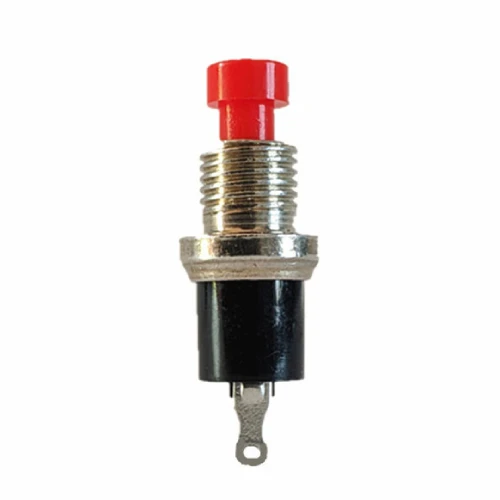
Mastering the 3362 Potentiometer: Essential Tips and Best Practices for Effective Design
Category: Knowledge
Time: 2024-08-17
Summary: Designing with the 3362 Potentiometer: Tips and Best Practices Table of Contents 1. Introduction to the 3362 Potentiometer 2. Understanding Potentiometers and Their Functions 3. Key Features of the 3362 Potentiometer 4. Design Considerations When Using the 3362 5. Mounting Techniques for the 3362 Potentiometer 6. Integrating the 3362 into Circuits 7. Troubleshooting Common Issues
Designing with the 3362 Potentiometer: Tips and Best Practices
Table of Contents
- 1. Introduction to the 3362 Potentiometer
- 2. Understanding Potentiometers and Their Functions
- 3. Key Features of the 3362 Potentiometer
- 4. Design Considerations When Using the 3362
- 5. Mounting Techniques for the 3362 Potentiometer
- 6. Integrating the 3362 into Circuits
- 7. Troubleshooting Common Issues
- 8. Advanced Applications of the 3362 Potentiometer
- 9. Conclusion
- 10. FAQs about the 3362 Potentiometer
1. Introduction to the 3362 Potentiometer
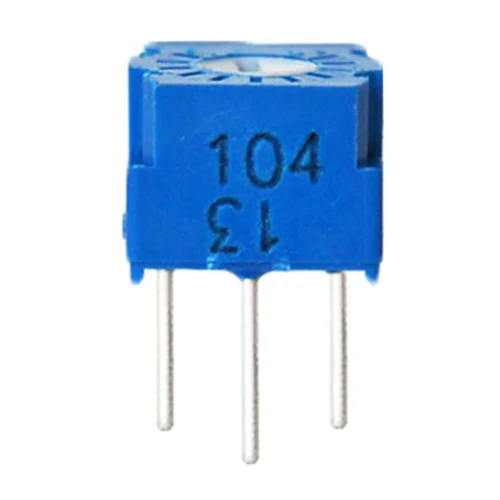
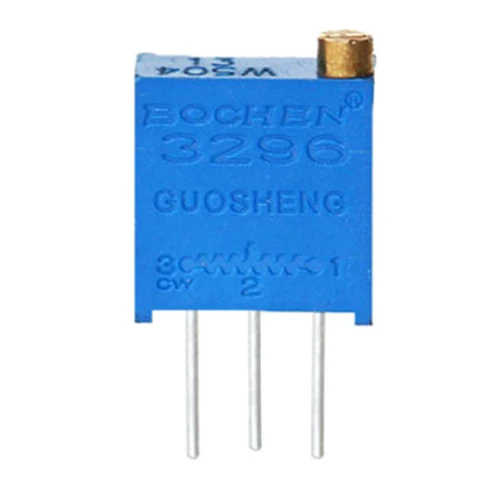
The **3362 potentiometer** is a versatile component widely used in electronic circuits for adjusting voltage levels. This tiny yet powerful device acts as a variable resistor, allowing for fine control of electrical signals. In this article, we will explore essential tips and best practices for effectively designing with the 3362 potentiometer. By understanding its features and integrating it properly into your projects, you can enhance performance and achieve desired results.
2. Understanding Potentiometers and Their Functions
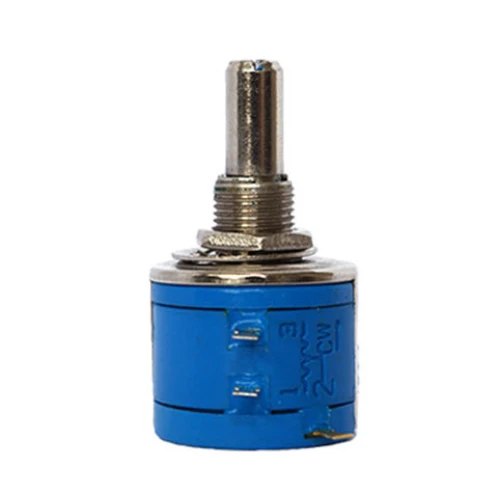
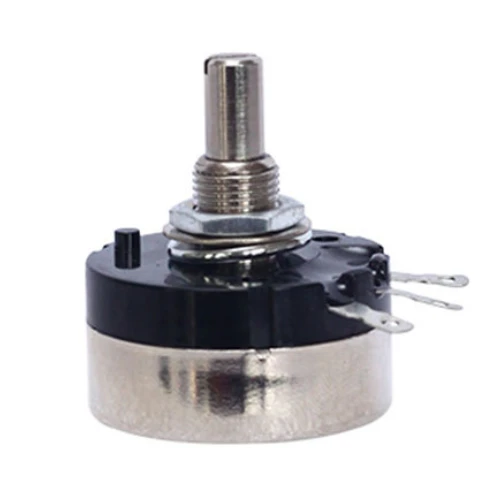
Before diving deep into the specifics of the 3362 model, it is crucial to grasp the fundamental concept of potentiometers. A potentiometer is essentially a three-terminal resistor with a sliding or rotating contact that divides the voltage. It is commonly used in applications such as volume controls, light dimmers, and as position sensors.
**Types of Potentiometers**:
- **Rotary Potentiometers**: These are the most common type and are used for adjustable settings.
- **Linear Potentiometers**: These feature a straight track and are often used in applications requiring precise control.
Understanding these basics will set the stage for effectively implementing the 3362 potentiometer in various designs.
3. Key Features of the 3362 Potentiometer
The 3362 potentiometer stands out due to its specific attributes that cater to various applications. Here are some noteworthy features:
High Precision and Reliability
The 3362 is known for its accuracy, with a tolerance typically around 20%. This precision is crucial for applications that require fine adjustments.
Compact Size
The small form factor of the 3362 makes it easy to integrate into space-constrained designs, such as handheld devices or compact circuit boards.
Durability
Built to withstand frequent adjustments, the 3362 is designed to endure wear and tear, ensuring longevity in your devices.
Multiple Configurations
This potentiometer is available in various resistance values and taper options, allowing designers to select the ideal configuration for their specific needs.
4. Design Considerations When Using the 3362
When integrating the 3362 potentiometer into your designs, several considerations must be taken into account to ensure optimal performance.
Choosing the Right Resistance Value
Selecting the appropriate resistance value is crucial. Consider the circuit requirements and the desired adjustment range. The common resistance values for the 3362 range from 1kΩ to 1MΩ.
Understanding Taper Types
Potentiometers come with two primary taper types: linear and logarithmic. For audio applications, a logarithmic taper is typically preferred, while linear is often used for other applications like signal adjustment.
Power Ratings
Always check the power rating of the potentiometer. The 3362 typically has a power rating of 0.1 watts. Exceeding this can lead to damage and failure.
5. Mounting Techniques for the 3362 Potentiometer
Proper mounting of the 3362 potentiometer is essential for reliable operation and ease of use.
PCB Mounting
For printed circuit board (PCB) designs, the 3362 can be directly soldered onto the board. Ensure that the pads are sized appropriately to avoid thermal stress during soldering.
Panel Mounting
If using the potentiometer on a panel, consider using a housing to provide protection. This not only shields the component from dust and moisture but also offers a more professional appearance.
6. Integrating the 3362 into Circuits
Integrating the 3362 into your circuits can vary depending on the application. Here are some general guidelines:
Voltage Divider Configuration
One common use of the 3362 is as a voltage divider. Connect the two outer terminals to the voltage supply and ground, while the middle terminal provides the adjustable output voltage.
Feedback Loop in Amplifiers
In amplification circuits, the 3362 can be used to control the feedback loop. This allows for dynamic control over gain levels, enhancing the performance of your amplifier.
7. Troubleshooting Common Issues
Despite its reliability, issues may arise when using the 3362 potentiometer. Here are common problems and their solutions:
Intermittent Connection
If the potentiometer exhibits an intermittent connection, ensure that all solder joints are solid and that there are no cold solder joints.
Excessive Noise
Excessive noise can result from a dirty potentiometer. Cleaning the unit with a contact cleaner can often resolve this issue.
Inaccurate Resistance Values
If the resistance values measured do not match expectations, verify that the correct potentiometer model and resistance rating are being used.
8. Advanced Applications of the 3362 Potentiometer
The versatility of the 3362 potentiometer allows for a wide range of advanced applications.
Digital-to-Analog Converters (DAC)
In DAC circuits, the 3362 can be used to adjust the output voltage levels, providing a smooth and precise control over the analog output.
Sensor Calibration
For sensors requiring calibration, the 3362 can be employed to fine-tune the output signal, ensuring accurate readings.
Consumer Electronics
In consumer devices, such as audio equipment and gaming controllers, the 3362 potentiometer is integral for volume control and sensitivity adjustments.
9. Conclusion
Designing with the 3362 potentiometer can elevate the functionality and performance of your electronic projects. By understanding its features, adhering to best practices, and employing advanced applications, engineers and hobbyists alike can take full advantage of this essential component. With proper integration and troubleshooting techniques, the 3362 potentiometer can be a reliable ally in achieving precise control over electrical signals.
10. FAQs about the 3362 Potentiometer
1. What is the maximum resistance value of the 3362 potentiometer?
The 3362 potentiometer is typically available in resistance values up to 1MΩ.
2. Can the 3362 potentiometer be used in high-frequency applications?
While the 3362 can be used in some high-frequency applications, it is essential to consider its characteristics. Always consult the datasheet for specific frequency responses.
3. How do I clean a potentiometer?
Use a contact cleaner spray to clean the potentiometer. Spray it inside the casing while rotating the shaft to ensure full coverage.
4. What taper should I use for audio applications?
For audio applications, a logarithmic taper is recommended for better control over volume adjustments.
5. Is the 3362 potentiometer suitable for outdoor applications?
While the 3362 is durable, it should be properly enclosed to protect against moisture and dust in outdoor environments.
This article serves as a comprehensive guide for understanding and effectively using the 3362 potentiometer in various electronic designs. Employing these tips and best practices will enable you to achieve superior results in your projects.
Keywords: Mastering the 3362 Potentiometer: Essential Tips and Best Practices for Effective Design
Related Information
Company news
-
People's Representative Newspaper - Guosheng Technology: With innovation as the lead, explore the road to a powerful country
Time:2023-03-21
-
Green low-carbon integrity demonstration establishment enterprise - Chengdu Guosheng Technology Co., Ltd.
Time:2023-03-21
-
Chengdu Guosheng Technology Co., Ltd. has been awarded as the "Vice President Unit of Sichuan Good Partner Elite Club"
Time:2023-02-21
-
Good news: Chengdu Guosheng Technology Co., Ltd. has won the 2022 Chengdu Social Responsibility Brand Award
Time:2023-02-21
-
Chengdu Guosheng Technology Co., Ltd. was awarded the "Excellent Brand" award in the 2022 Sichuan Entrepreneurs Brand List.
Time:2023-01-18
-
Chinese Communist Party of Chengdu Guosheng Technology Co., Ltd. Branch was established
Time:2017-12-20
-
Guosheng Science and Technology began "to implement the norms of intellectual property management" start the work
Time:2017-12-10
-
Chengdu Guosheng Technology Co., Ltd. to declare the "high-tech enterprises" first instance passed
Time:2017-12-10
-
My company's products much favored customers
Time:2014-05-14
Knowledge
-
Understanding Trimmer Potentiometers: Essential Insights for Electronics Professionals
Time:2024-10-16
-
Top Applications of Trimmer Potentiometers in Modern Devices
Time:2024-10-08
-
Understanding Trimmer Potentiometers: A Comprehensive Guide for Professionals
Time:2024-10-07
-
Understanding Trimmer Potentiometers: A Comprehensive Guide to Adjustable Resistance
Time:2024-10-06
-
Understanding Trimmer Potentiometers: Essential Insights for Electronics Professionals
Time:2024-10-05
-
How to Properly Use a 3296 Potentiometer for Optimal Performance
Time:2024-10-04
-
Understanding the Versatility and Applications of the 3296 Potentiometer
Time:2024-10-03
-
Top Applications of the 3296 Potentiometer in Modern Electronics
Time:2024-10-02
-
Unlocking the Potential of 3296 Potentiometers: Essential Insights for Electronic Enthusiasts
Time:2024-10-01
-
Mastering Circuit Adjustments with 10K Trimmer Resistors: A Comprehensive Guide
Time:2024-09-30
-
Understanding the Importance of Trimmer 10k Potentiometers in Electronic Applications
Time:2024-09-29
-
Why 10K Trimmer Resistors Are Essential for Your Electronic Projects
Time:2024-09-28
-
Understanding the Role of the Trimmer 10K in Electronic Components
Time:2024-09-27
-
Innovative Uses for the 3362 Potentiometer in DIY Electronics
Time:2024-09-26
-
Understanding the 3362 Potentiometer: Applications and Benefits in Electronic Components
Time:2024-09-25
-
The Impact of Temperature on the Performance of the 3362 Potentiometer: An In-Depth Analysis
Time:2024-09-24
-
Understanding the 3362 Potentiometer: A Comprehensive Guide for Electronic Applications
Time:2024-09-23
-
A Deep Dive into the Benefits of Using Trimmer 3296 in Circuit Design
Time:2024-09-22
-
Understanding Trimmer 3296: A Comprehensive Guide for Professionals
Time:2024-09-21
-
Exploring the Versatility of the Trimmer 3296 in Potentiometer Applications
Time:2024-09-20
-
Understanding the Trimmer 3296: A Comprehensive Guide for Electronic Component Enthusiasts
Time:2024-09-19
-
Maximize Efficiency: Selecting the Right Trimming Potentiometer for Your Applications
Time:2024-09-18
-
Understanding the 3262W Trimmer: Essential Insights for Professionals
Time:2024-09-17
-
Discover the Advantages of Utilizing Trimmers in Electronic Circuits for Optimal Performance
Time:2024-09-16
-
Understanding the 3262W Trimmer: A Comprehensive Guide for Electronic Components
Time:2024-09-15
-
Enhancing Precision Technology: The Impact of Rotary Encoders and Digital Potentiometers
Time:2024-09-14
-
Understanding Rotary Encoders and Digital Potentiometers: A Comprehensive Guide for Professionals
Time:2024-09-13
-
Revolutionizing Electronic Interfaces with Digital Potentiometers and Rotary Encoders
Time:2024-09-12
-
Understanding the Benefits of Rotary Encoder Digital Potentiometers in Electronics
Time:2024-09-11
-
Mastering the Art of Precision Control with WH138 Potentiometers: A Comprehensive Guide
Time:2024-09-10
-
Understanding the WH138 Potentiometer: A Comprehensive Guide for Professionals
Time:2024-09-09
-
The Evolution of WH138 Potentiometers: From Analog to Digital Age
Time:2024-09-08
-
Understanding WH138 Potentiometers: Key Features and Applications
Time:2024-09-07
-
The Impact of 800W Resistors on Circuit Efficiency and Stability
Time:2024-09-06
-
Understanding the Significance of 800W Resistors in Electronic Components
Time:2024-09-05
-
800W Resistors: Innovating Power Distribution in Electronic Devices
Time:2024-09-04
-
Understanding 800W Resistors: Key Insights for Your Electronic Projects
Time:2024-09-03
-
Day 50: Innovative Ways to Use 6mm Potentiometer Knobs in Your Projects
Time:2024-09-02
-
Day 51: Mastering Precision Control with 6mm Potentiometer Knobs - Unlocking Ultimate Performance
Time:2024-09-01
-
Day 52: Elevate Your Electronics with Stylish 6mm Potentiometer Knobs
Time:2024-08-31
-
Unlocking the Potential of Your Devices with 6mm Potentiometer Knobs: A Comprehensive Guide
Time:2024-08-30
-
Why Choosing the Right Potentiometer Matters: A Comprehensive Exploration of W503 Models
Time:2024-08-29
-
Understanding the W503 Potentiometer: A Key Component in Electronics
Time:2024-08-28
-
Unlocking Precision: The Versatile Applications of W503 Potentiometer
Time:2024-08-27
-
Understanding the W503 Potentiometer: A Key Component in Electronics
Time:2024-08-26
-
Top 5 Benefits of Using Trimmers in Circuit Design: Elevate Your Electronic Projects
Time:2024-08-25
-
Understanding the Role of Trimmer Resistors in Electronic Applications
Time:2024-08-24
-
Unlocking Precision: How Trimmers Revolutionize Electronic Components
Time:2024-08-23
-
Understanding the Trimmer 100k: A Comprehensive Guide to Potentiometers
Time:2024-08-22
-
Why the Trimmer 3296 is Essential for Your Electronic Projects
Time:2024-08-21
-
Understanding the Functionality and Importance of Trimmer 3296 in Electronic Components
Time:2024-08-20
-
Unlocking the Potential of the Trimmer 3296: A Comprehensive Guide to Precision and Performance
Time:2024-08-19
-
Understanding Trimmer 3296: A Comprehensive Guide to Potentiometers
Time:2024-08-18
-
Mastering the 3362 Potentiometer: Essential Tips and Best Practices for Effective Design
Time:2024-08-17
-
Understanding the 3362 Potentiometer: A Key Component in Electronics
Time:2024-08-16
-
Step-by-Step Guide: How to Install a 3362 Potentiometer for Optimal Performance
Time:2024-08-15
-
Understanding the 3362 Potentiometer: A Key Component in Electronic Circuits
Time:2024-08-14
-
Unlocking the Potential of Your Circuit: How 10K Trimmer Resistors Work
Time:2024-08-13
-
Understanding the Role of Trimmer 10k Potentiometers in Electronic Circuits
Time:2024-08-12
-
10K Trimmer Resistors: The Ultimate Guide to Precision Tuning
Time:2024-08-11
-
Understanding the Importance of the Trimmer 10K in Electronic Components
Time:2024-08-10
-
Why the 3296 Potentiometer is a Must-Have for Your Electronics Toolkit
Time:2024-08-09
-
Understanding the 3296 Potentiometer: A Key Component in Electronic Applications
Time:2024-08-08
-
Unlocking the Versatility of the 3296 Potentiometer in Electronic Circuits
Time:2024-08-07
-
Understanding the 3296 Potentiometer: A Comprehensive Guide for Electronics Enthusiasts
Time:2024-08-06
-
Why Trimmer Potentiometers are Essential for Circuit Calibration
Time:2024-08-05
-
Understanding Trimmer Potentiometers: Essential Insights for Electronics Professionals
Time:2024-08-04
-
Unlocking Precision: The Role of Trimmer Potentiometers in Electronics
Time:2024-08-03
-
Understanding Trimmer Potentiometers: A Guide for Electronics Enthusiasts
Time:2024-08-02
Industry information
-
Extrusion process with the mold and extrusion die how to choose
Time:2017-12-20
-
Talking about the Cable Security Level of Wiring Specification
Time:2017-12-20
-
Discussion on High Voltage XLPE Insulation Power Cables
Time:2017-12-20
-
Discussion on Irradiation Crosslinked Power Cables
Time:2017-12-20
-
Talking about superconducting cable compared with conventional cable has the following advantages
Time:2017-12-20
-
Cable detection technology
Time:2017-12-20
-
Identify the quality of the cable can be started from a few simple ways
Time:2017-12-20
-
Factors Affecting RTD Temperature Sensor Measurement
Time:2017-12-18
-
Commonly used low-voltage cables have what
Time:2017-12-18
-
Talking about the cloth wire knowledge
Time:2017-12-18
-
2014 China's electronic components industry welcome development opportunities
Time:2014-05-24