


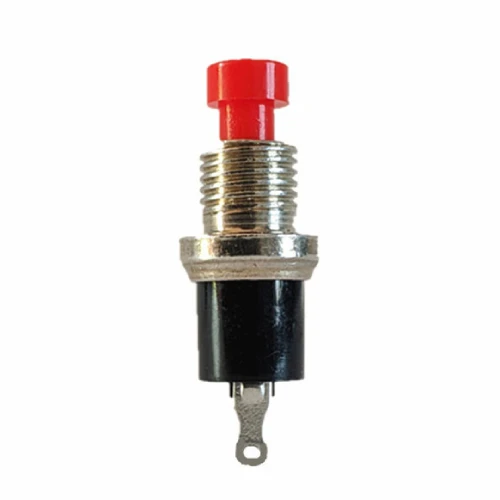
Why Choosing the Right Potentiometer Matters: A Comprehensive Exploration of W503 Models
Category: Knowledge
Time: 2024-08-29
Summary: Why Choosing the Right Potentiometer Matters: A Comprehensive Exploration of W503 Models Table of Contents Introduction to Potentiometers The Importance of Selecting the Right Potentiometer Understanding Different Types of Potentiometers Overview of W503 Potentiometer Models Applications of W503 Potentiometers How to Choose the Right W503 Potentiometer Factors Affecting Potentiomete
Why Choosing the Right Potentiometer Matters: A Comprehensive Exploration of W503 Models
Table of Contents
- Introduction to Potentiometers
- The Importance of Selecting the Right Potentiometer
- Understanding Different Types of Potentiometers
- Overview of W503 Potentiometer Models
- Applications of W503 Potentiometers
- How to Choose the Right W503 Potentiometer
- Factors Affecting Potentiometer Performance
- Maintaining Your W503 Potentiometer
- Frequently Asked Questions
- Conclusion
Introduction to Potentiometers
Potentiometers are essential components in electronic circuits, serving as variable resistors that allow for the adjustment of voltage and current levels. They play a crucial role in controlling parameters such as audio volume, brightness of lights, and speed of motors. Understanding how to select the appropriate potentiometer can greatly influence the functionality and efficiency of your electronic projects.
The Importance of Selecting the Right Potentiometer
Choosing the right potentiometer is not just about fitting a component into a circuit; it involves understanding the specific requirements of your project. The right potentiometer can enhance performance, accuracy, and longevity, while the wrong choice may lead to malfunction, wasted resources, and potential safety hazards.
When we talk about potentiometers, it’s essential to consider factors such as resistance value, physical dimensions, power rating, and environmental conditions. A proper selection ensures that your device operates optimally, minimizing the risk of failure and maximizing user satisfaction.
Understanding Different Types of Potentiometers
Potentiometers come in various types, each designed to meet specific needs. Below are some common types:
1. Linear Potentiometers
Linear potentiometers have a uniform change in resistance along the length of the track. They are typically used in applications requiring precise adjustments, such as audio equipment and instrumentation.
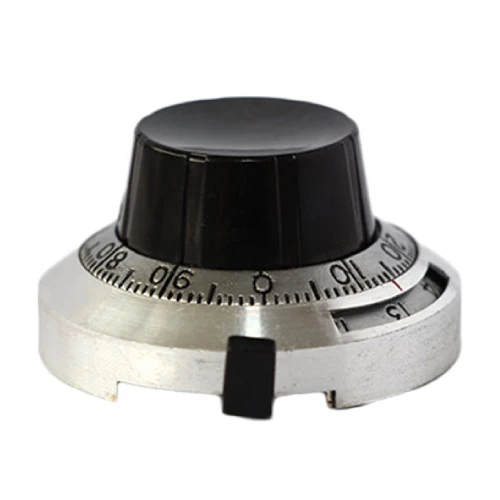
2. Rotational Potentiometers
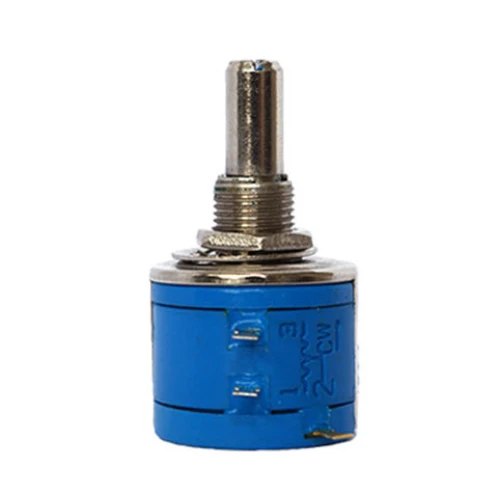
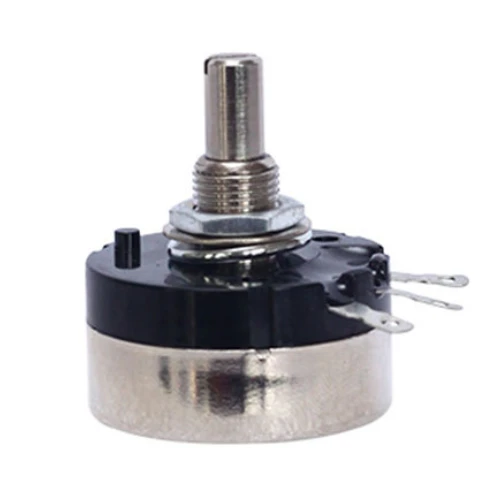
These potentiometers involve turning a knob, and their resistance changes based on the rotational position. They are widely used in audio devices and control panels.
3. Digital Potentiometers
Digital potentiometers utilize digital signals for adjustment. They offer enhanced precision and are commonly found in modern electronics, often interfacing with microcontrollers.
4. Trimming Potentiometers
These small-size potentiometers are used for calibration and fine-tuning in circuits. They are often adjusted during assembly rather than for regular use.
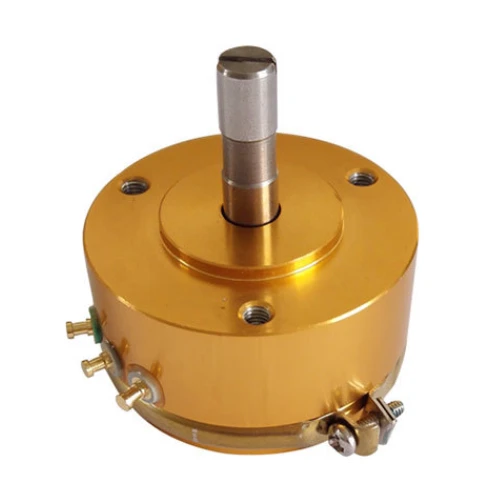
5. W503 Potentiometers
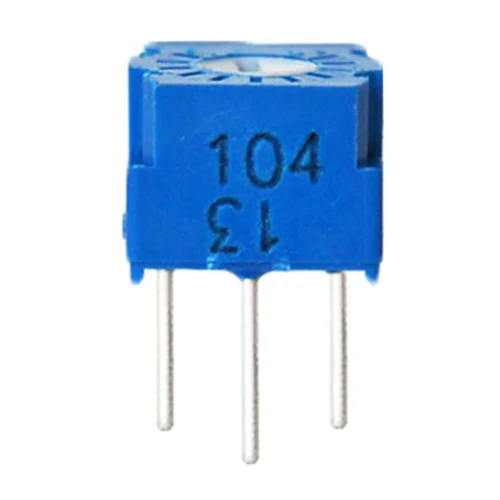
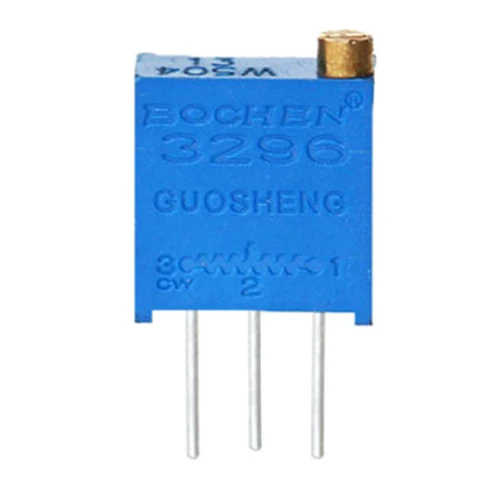
Among the specialized models, the W503 potentiometer stands out for its unique design and versatility, which we will explore further in the subsequent sections.
Overview of W503 Potentiometer Models
The W503 potentiometer series is known for its reliability and performance in various applications. They typically feature a robust design, making them suitable for harsh environments. Key characteristics of W503 models include:
1. Resistance Range
W503 potentiometers come with a wide range of resistance options, allowing for flexibility in design. This diversity enables engineers to tailor the component to fit specific project requirements.
2. Power Rating
The power rating of W503 models ensures they can handle substantial loads without overheating or failing. This feature is critical for applications requiring high current or voltage.
3. Durability
Constructed from high-quality materials, W503 potentiometers are designed for durability and long-term use. They are resistant to wear and tear, making them a reliable choice for numerous applications.
4. Temperature Stability
Temperature variations can affect the performance of electronic components. W503 models are engineered to maintain stability across a range of temperatures, ensuring consistent operation.
Applications of W503 Potentiometers
W503 potentiometers find their applications across various industries, highlighting their versatility:
1. Audio Equipment
In audio devices, W503 potentiometers are used to control volume and tone, allowing users to tailor the sound to their preferences.
2. Automotive Controls
In the automotive industry, these potentiometers help manage functions like throttle control and dashboard displays, contributing to overall vehicle performance.
3. Industrial Machinery
W503 models are employed in industrial machinery for adjusting speed and monitoring processes, ensuring operational efficiency and safety.
4. Home Appliances
Many home appliances utilize W503 potentiometers for features such as temperature control in ovens and washing machines, enhancing user convenience.
5. Medical Devices
In medical applications, precision is critical. W503 potentiometers are used in various devices to ensure accurate readings and adjustments.
How to Choose the Right W503 Potentiometer
Selecting the right W503 potentiometer for your application involves several considerations:
1. Define Your Requirements
Identify the specific needs of your project, including resistance values, physical dimensions, and environmental conditions. Understanding your application will guide your selection process.
2. Evaluate Specifications
Examine the specifications of the W503 models available. Pay attention to factors such as power rating, tolerance, and temperature coefficient.
3. Consider the Application
Different applications may require specific features. For example, if your project demands high durability, choose a W503 model that offers enhanced resistance to environmental factors.
4. Consult with Suppliers
Don't hesitate to reach out to suppliers for expert advice. They can provide valuable insights into which W503 model would suit your project best.
5. Prototype Testing
If possible, conduct prototype testing to evaluate the performance of the chosen potentiometer in real-world conditions. This step can prevent potential issues during production.
Factors Affecting Potentiometer Performance
Several factors can influence the performance of W503 potentiometers:
1. Environmental Conditions
Temperature, humidity, and exposure to pollutants can all affect the lifespan and functionality of a potentiometer. Ensure your W503 model is suitable for the intended environment.
2. Quality of Materials
The materials used in the construction of W503 models directly impact performance. High-quality materials ensure better durability and reliability.
3. Installation Practices
Proper installation is vital for optimal performance. Follow manufacturer guidelines to avoid installation-related issues that could affect functionality.
4. Electrical Load
Understanding the electrical load your potentiometer will handle is essential. Selecting a W503 model with an appropriate power rating can prevent overheating and potential failure.
Maintaining Your W503 Potentiometer
To ensure longevity and reliability, regular maintenance of your W503 potentiometer is advisable:
1. Regular Inspections
Conduct periodic inspections to identify any signs of wear, corrosion, or damage. Addressing issues early can prevent more significant problems.
2. Cleaning
Keep the potentiometer clean from dust and debris. Use appropriate cleaning methods to avoid damaging the component.
3. Monitor Performance
Regularly monitor the performance of your W503 potentiometer to ensure it operates within expected parameters. If performance declines, assess whether replacement or repair is necessary.
4. Follow Operating Guidelines
Adhere to operating guidelines provided by the manufacturer to maximize the lifespan and performance of your potentiometer.
Frequently Asked Questions
1. What is a potentiometer used for?
A potentiometer is used to control electrical resistance, allowing for adjustments in voltage and current in various electronic applications.
2. How do I know which potentiometer to choose?
Consider the specific requirements of your project, including resistance value, power rating, and environmental conditions, to select the appropriate potentiometer.
3. Are W503 potentiometers suitable for outdoor use?
Yes, W503 potentiometers are designed for durability and can withstand various environmental conditions, making them suitable for outdoor applications.
4. Can I use a potentiometer in high-power applications?
Ensure that the potentiometer you select, such as the W503 model, has the appropriate power rating to handle high-power applications safely.
5. How can I maintain my potentiometer for longevity?
Regular inspections, cleaning, and monitoring performance are key practices for maintaining the longevity of your potentiometer.
Conclusion
Selecting the right potentiometer, especially the W503 model, is crucial for maximizing performance and reliability in electronic applications. By understanding the various types, characteristics, and applications of potentiometers, you can make informed decisions that lead to successful project outcomes. Whether you're working on audio equipment, automotive controls, or industrial machinery, the right W503 potentiometer can enhance your design's effectiveness and lifespan. Prioritize careful selection, regular maintenance, and thorough evaluation to ensure that your electronic components meet your project's demands efficiently.
Keywords: Why Choosing the Right Potentiometer Matters: A Comprehensive Exploration of W503 Models
Related Information
Company news
-
People's Representative Newspaper - Guosheng Technology: With innovation as the lead, explore the road to a powerful country
Time:2023-03-21
-
Green low-carbon integrity demonstration establishment enterprise - Chengdu Guosheng Technology Co., Ltd.
Time:2023-03-21
-
Chengdu Guosheng Technology Co., Ltd. has been awarded as the "Vice President Unit of Sichuan Good Partner Elite Club"
Time:2023-02-21
-
Good news: Chengdu Guosheng Technology Co., Ltd. has won the 2022 Chengdu Social Responsibility Brand Award
Time:2023-02-21
-
Chengdu Guosheng Technology Co., Ltd. was awarded the "Excellent Brand" award in the 2022 Sichuan Entrepreneurs Brand List.
Time:2023-01-18
-
Chinese Communist Party of Chengdu Guosheng Technology Co., Ltd. Branch was established
Time:2017-12-20
-
Guosheng Science and Technology began "to implement the norms of intellectual property management" start the work
Time:2017-12-10
-
Chengdu Guosheng Technology Co., Ltd. to declare the "high-tech enterprises" first instance passed
Time:2017-12-10
-
My company's products much favored customers
Time:2014-05-14
Knowledge
-
Understanding Trimmer Potentiometers: Essential Insights for Electronics Professionals
Time:2024-10-16
-
Top Applications of Trimmer Potentiometers in Modern Devices
Time:2024-10-08
-
Understanding Trimmer Potentiometers: A Comprehensive Guide for Professionals
Time:2024-10-07
-
Understanding Trimmer Potentiometers: A Comprehensive Guide to Adjustable Resistance
Time:2024-10-06
-
Understanding Trimmer Potentiometers: Essential Insights for Electronics Professionals
Time:2024-10-05
-
How to Properly Use a 3296 Potentiometer for Optimal Performance
Time:2024-10-04
-
Understanding the Versatility and Applications of the 3296 Potentiometer
Time:2024-10-03
-
Top Applications of the 3296 Potentiometer in Modern Electronics
Time:2024-10-02
-
Unlocking the Potential of 3296 Potentiometers: Essential Insights for Electronic Enthusiasts
Time:2024-10-01
-
Mastering Circuit Adjustments with 10K Trimmer Resistors: A Comprehensive Guide
Time:2024-09-30
-
Understanding the Importance of Trimmer 10k Potentiometers in Electronic Applications
Time:2024-09-29
-
Why 10K Trimmer Resistors Are Essential for Your Electronic Projects
Time:2024-09-28
-
Understanding the Role of the Trimmer 10K in Electronic Components
Time:2024-09-27
-
Innovative Uses for the 3362 Potentiometer in DIY Electronics
Time:2024-09-26
-
Understanding the 3362 Potentiometer: Applications and Benefits in Electronic Components
Time:2024-09-25
-
The Impact of Temperature on the Performance of the 3362 Potentiometer: An In-Depth Analysis
Time:2024-09-24
-
Understanding the 3362 Potentiometer: A Comprehensive Guide for Electronic Applications
Time:2024-09-23
-
A Deep Dive into the Benefits of Using Trimmer 3296 in Circuit Design
Time:2024-09-22
-
Understanding Trimmer 3296: A Comprehensive Guide for Professionals
Time:2024-09-21
-
Exploring the Versatility of the Trimmer 3296 in Potentiometer Applications
Time:2024-09-20
-
Understanding the Trimmer 3296: A Comprehensive Guide for Electronic Component Enthusiasts
Time:2024-09-19
-
Maximize Efficiency: Selecting the Right Trimming Potentiometer for Your Applications
Time:2024-09-18
-
Understanding the 3262W Trimmer: Essential Insights for Professionals
Time:2024-09-17
-
Discover the Advantages of Utilizing Trimmers in Electronic Circuits for Optimal Performance
Time:2024-09-16
-
Understanding the 3262W Trimmer: A Comprehensive Guide for Electronic Components
Time:2024-09-15
-
Enhancing Precision Technology: The Impact of Rotary Encoders and Digital Potentiometers
Time:2024-09-14
-
Understanding Rotary Encoders and Digital Potentiometers: A Comprehensive Guide for Professionals
Time:2024-09-13
-
Revolutionizing Electronic Interfaces with Digital Potentiometers and Rotary Encoders
Time:2024-09-12
-
Understanding the Benefits of Rotary Encoder Digital Potentiometers in Electronics
Time:2024-09-11
-
Mastering the Art of Precision Control with WH138 Potentiometers: A Comprehensive Guide
Time:2024-09-10
-
Understanding the WH138 Potentiometer: A Comprehensive Guide for Professionals
Time:2024-09-09
-
The Evolution of WH138 Potentiometers: From Analog to Digital Age
Time:2024-09-08
-
Understanding WH138 Potentiometers: Key Features and Applications
Time:2024-09-07
-
The Impact of 800W Resistors on Circuit Efficiency and Stability
Time:2024-09-06
-
Understanding the Significance of 800W Resistors in Electronic Components
Time:2024-09-05
-
800W Resistors: Innovating Power Distribution in Electronic Devices
Time:2024-09-04
-
Understanding 800W Resistors: Key Insights for Your Electronic Projects
Time:2024-09-03
-
Day 50: Innovative Ways to Use 6mm Potentiometer Knobs in Your Projects
Time:2024-09-02
-
Day 51: Mastering Precision Control with 6mm Potentiometer Knobs - Unlocking Ultimate Performance
Time:2024-09-01
-
Day 52: Elevate Your Electronics with Stylish 6mm Potentiometer Knobs
Time:2024-08-31
-
Unlocking the Potential of Your Devices with 6mm Potentiometer Knobs: A Comprehensive Guide
Time:2024-08-30
-
Why Choosing the Right Potentiometer Matters: A Comprehensive Exploration of W503 Models
Time:2024-08-29
-
Understanding the W503 Potentiometer: A Key Component in Electronics
Time:2024-08-28
-
Unlocking Precision: The Versatile Applications of W503 Potentiometer
Time:2024-08-27
-
Understanding the W503 Potentiometer: A Key Component in Electronics
Time:2024-08-26
-
Top 5 Benefits of Using Trimmers in Circuit Design: Elevate Your Electronic Projects
Time:2024-08-25
-
Understanding the Role of Trimmer Resistors in Electronic Applications
Time:2024-08-24
-
Unlocking Precision: How Trimmers Revolutionize Electronic Components
Time:2024-08-23
-
Understanding the Trimmer 100k: A Comprehensive Guide to Potentiometers
Time:2024-08-22
-
Why the Trimmer 3296 is Essential for Your Electronic Projects
Time:2024-08-21
-
Understanding the Functionality and Importance of Trimmer 3296 in Electronic Components
Time:2024-08-20
-
Unlocking the Potential of the Trimmer 3296: A Comprehensive Guide to Precision and Performance
Time:2024-08-19
-
Understanding Trimmer 3296: A Comprehensive Guide to Potentiometers
Time:2024-08-18
-
Mastering the 3362 Potentiometer: Essential Tips and Best Practices for Effective Design
Time:2024-08-17
-
Understanding the 3362 Potentiometer: A Key Component in Electronics
Time:2024-08-16
-
Step-by-Step Guide: How to Install a 3362 Potentiometer for Optimal Performance
Time:2024-08-15
-
Understanding the 3362 Potentiometer: A Key Component in Electronic Circuits
Time:2024-08-14
-
Unlocking the Potential of Your Circuit: How 10K Trimmer Resistors Work
Time:2024-08-13
-
Understanding the Role of Trimmer 10k Potentiometers in Electronic Circuits
Time:2024-08-12
-
10K Trimmer Resistors: The Ultimate Guide to Precision Tuning
Time:2024-08-11
-
Understanding the Importance of the Trimmer 10K in Electronic Components
Time:2024-08-10
-
Why the 3296 Potentiometer is a Must-Have for Your Electronics Toolkit
Time:2024-08-09
-
Understanding the 3296 Potentiometer: A Key Component in Electronic Applications
Time:2024-08-08
-
Unlocking the Versatility of the 3296 Potentiometer in Electronic Circuits
Time:2024-08-07
-
Understanding the 3296 Potentiometer: A Comprehensive Guide for Electronics Enthusiasts
Time:2024-08-06
-
Why Trimmer Potentiometers are Essential for Circuit Calibration
Time:2024-08-05
-
Understanding Trimmer Potentiometers: Essential Insights for Electronics Professionals
Time:2024-08-04
-
Unlocking Precision: The Role of Trimmer Potentiometers in Electronics
Time:2024-08-03
-
Understanding Trimmer Potentiometers: A Guide for Electronics Enthusiasts
Time:2024-08-02
Industry information
-
Extrusion process with the mold and extrusion die how to choose
Time:2017-12-20
-
Talking about the Cable Security Level of Wiring Specification
Time:2017-12-20
-
Discussion on High Voltage XLPE Insulation Power Cables
Time:2017-12-20
-
Discussion on Irradiation Crosslinked Power Cables
Time:2017-12-20
-
Talking about superconducting cable compared with conventional cable has the following advantages
Time:2017-12-20
-
Cable detection technology
Time:2017-12-20
-
Identify the quality of the cable can be started from a few simple ways
Time:2017-12-20
-
Factors Affecting RTD Temperature Sensor Measurement
Time:2017-12-18
-
Commonly used low-voltage cables have what
Time:2017-12-18
-
Talking about the cloth wire knowledge
Time:2017-12-18
-
2014 China's electronic components industry welcome development opportunities
Time:2014-05-24