


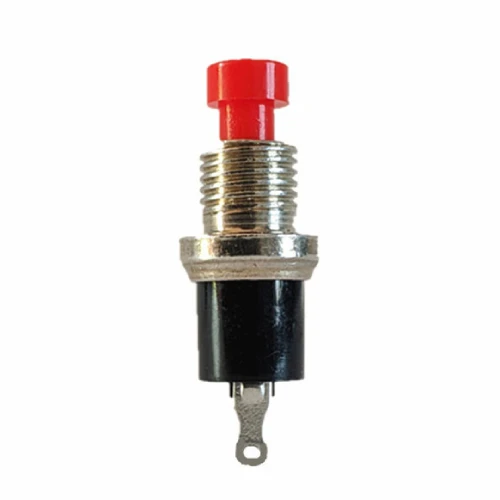
Unlocking the Potential of Your Devices with 6mm Potentiometer Knobs: A Comprehensive Guide
Category: Knowledge
Time: 2024-08-30
Summary: Unlocking the Potential of Your Devices with 6mm Potentiometer Knobs Table of Contents 1. Introduction to Potentiometers 2. What is a 6mm Potentiometer? 3. Benefits of Using 6mm Potentiometers 4. Applications of 6mm Potentiometers 5. How to Install a 6mm Potentiometer Knob 6. Choosing the Right 6mm Potentiometer Knob 7. Troubleshooting Common Issues 8. Frequently Asked Questions (
Unlocking the Potential of Your Devices with 6mm Potentiometer Knobs
Table of Contents
- 1. Introduction to Potentiometers
- 2. What is a 6mm Potentiometer?
- 3. Benefits of Using 6mm Potentiometers
- 4. Applications of 6mm Potentiometers
- 5. How to Install a 6mm Potentiometer Knob
- 6. Choosing the Right 6mm Potentiometer Knob
- 7. Troubleshooting Common Issues
- 8. Frequently Asked Questions (FAQs)
- 9. Conclusion
1. Introduction to Potentiometers
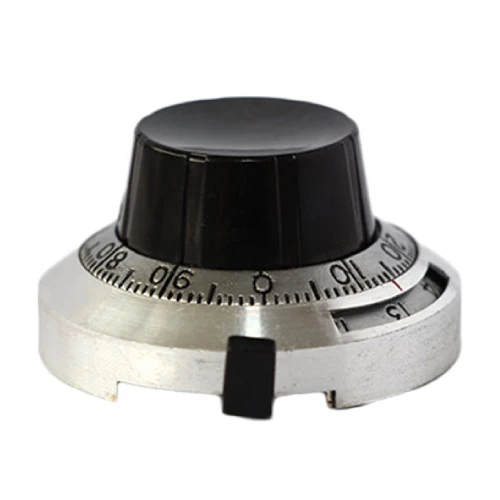
Potentiometers are essential components in various electronic devices, acting as variable resistors that allow users to adjust voltage levels. Whether used in audio equipment, televisions, or other electronic devices, these components play a crucial role in enhancing user experience. Among the various types of potentiometers, **6mm potentiometer knobs** stand out due to their compact size and versatility, making them ideal for a wide range of applications.
2. What is a 6mm Potentiometer?
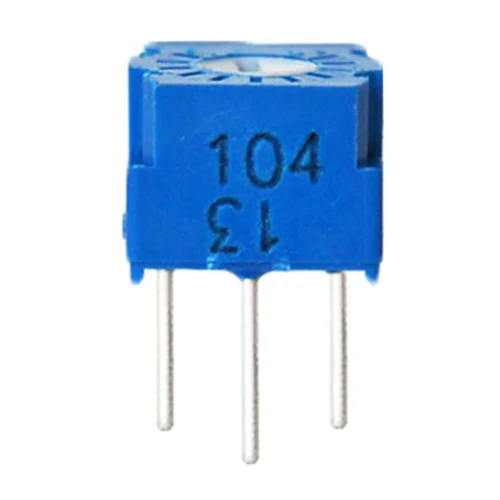
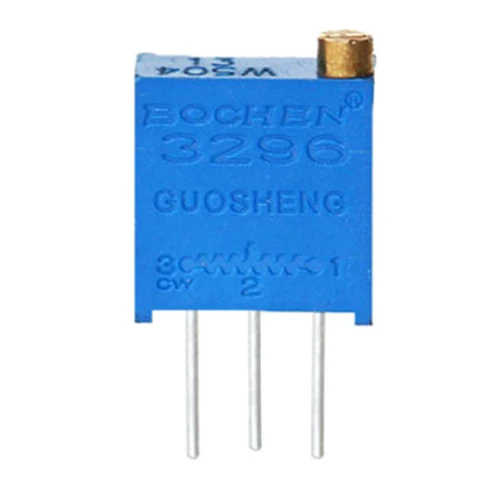
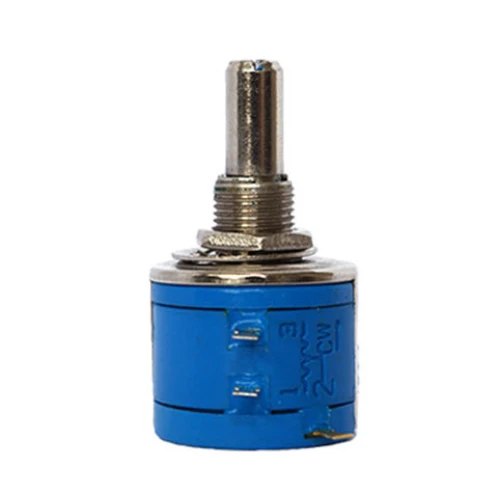
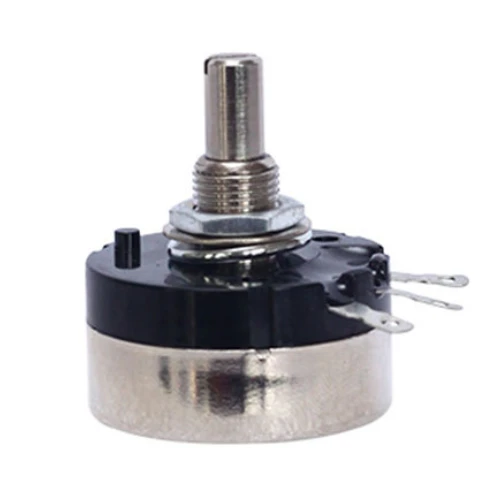
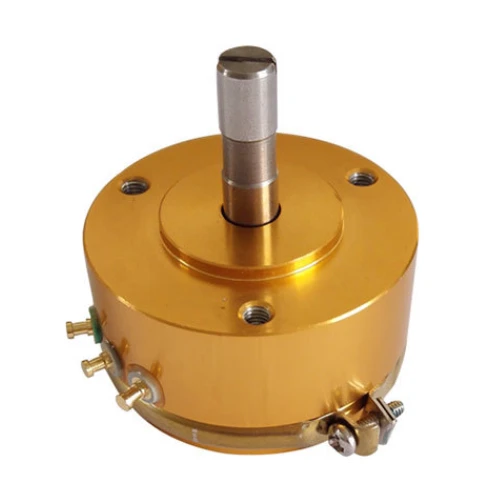
A **6mm potentiometer** is a type of rotary potentiometer characterized by its small shaft diameter, which measures just 6mm. These knobs are commonly utilized to adjust settings such as volume, brightness, and tone in various electronic devices. Available in different configurations, including linear and logarithmic taper, 6mm potentiometers provide precise control over electrical signals.
2.1 Components of a 6mm Potentiometer
Understanding the components of a 6mm potentiometer is vital for effective usage. Key components include:
- **Shaft**: The part that users turn to adjust settings.
- **Body**: The main housing that contains the resistive element and wiper.
- **Terminals**: The connection points for electrical wiring.
- **Wiper**: A movable contact that slides along the resistive element to vary resistance.
3. Benefits of Using 6mm Potentiometers
Utilizing 6mm potentiometers in electronic circuits offers numerous advantages:
3.1 Compact Size
Their small size allows for easy integration into compact devices without taking up excessive space.
3.2 Versatile Applications
These potentiometers can be used in various applications, from audio equipment to DIY projects, making them highly versatile.
3.3 Improved User Experience
The tactile feedback from turning a potentiometer enhances user interaction, providing a more intuitive experience.
3.4 Cost-Effectiveness
Generally, 6mm potentiometers are affordable, making them a budget-friendly choice for both hobbyists and manufacturers.
4. Applications of 6mm Potentiometers
6mm potentiometers are widely used across different sectors.
4.1 Audio Equipment
In audio devices, these knobs serve to adjust volume levels, equalization, and other sound parameters, allowing for a personalized audio experience.
4.2 Consumer Electronics
From televisions to gaming consoles, 6mm potentiometers are used to control various settings, enhancing overall functionality.
4.3 Industrial Equipment
In industrial applications, they regulate operational parameters such as speed and temperature, ensuring efficient performance.
4.4 DIY Projects
For hobbyists and DIY enthusiasts, 6mm potentiometers are essential components in creating custom circuits, providing flexibility and control in design.
5. How to Install a 6mm Potentiometer Knob
Installing a 6mm potentiometer knob is a straightforward process, ensuring that you can quickly enhance your device's functionality.
5.1 Tools Required
Before starting the installation, gather the following tools:
- Soldering iron
- Solder
- Wire cutters
- Screwdriver
- Multimeter (optional)
5.2 Step-by-Step Installation Guide
1. **Disconnect Power**: Ensure that the device is powered off and unplugged.
2. **Remove the Old Potentiometer**: If replacing an old potentiometer, gently desolder the connections and remove it.
3. **Prepare Wiring**: Cut wires to the appropriate length for the new potentiometer.
4. **Solder Connections**: Solder the wires to the terminals of the 6mm potentiometer. Ensure correct polarity and secure connections.
5. **Mount the Potentiometer**: Fit the potentiometer into its designated location on the device.
6. **Attach the Knob**: Place the knob on the shaft of the potentiometer and secure it.
7. **Test the Installation**: Power on the device and test the potentiometer to ensure it operates smoothly.
6. Choosing the Right 6mm Potentiometer Knob
Selecting the right 6mm potentiometer is crucial for optimal performance.
6.1 Consider Resistance Value
Choose a potentiometer with a resistance value that matches your application. Common resistance values include 10kΩ, 100kΩ, and 1MΩ.
6.2 Taper Type
Decide between linear and logarithmic taper based on your needs. Linear taper provides a consistent change in output, while logarithmic is ideal for audio applications.
6.3 Durability and Quality
Select potentiometers from reputable manufacturers to ensure reliability and durability, especially in demanding environments.
7. Troubleshooting Common Issues
Despite their simplicity, issues may arise with potentiometers. Here are some common problems and solutions:
7.1 Crackling Noise
If you experience crackling noise when adjusting the knob, it may be due to dirt or dust accumulation. Cleaning the potentiometer with a contact cleaner can resolve this.
7.2 Inconsistent Resistance
Inconsistent resistance may indicate a faulty potentiometer. Testing with a multimeter can help diagnose the issue, and replacement may be necessary.
7.3 Knob Slippage
If the knob feels loose or slips, check for proper mounting. Ensure that set screws or mounting brackets are correctly tightened.
8. Frequently Asked Questions (FAQs)
8.1 What is the lifespan of a 6mm potentiometer?
The lifespan of a 6mm potentiometer typically ranges from 10,000 to 50,000 cycles, depending on usage and quality.
8.2 Can I use a 6mm potentiometer for power applications?
While 6mm potentiometers are primarily for signal control, some can handle low power applications. Always check the specifications.
8.3 How do I clean a potentiometer?
Use a contact cleaner designed for electronics. Spray it into the potentiometer while turning the knob to help remove dust and grime.
8.4 Are there different styles of knobs for 6mm potentiometers?
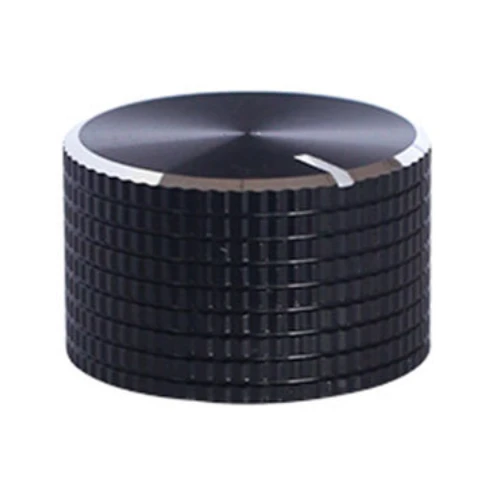
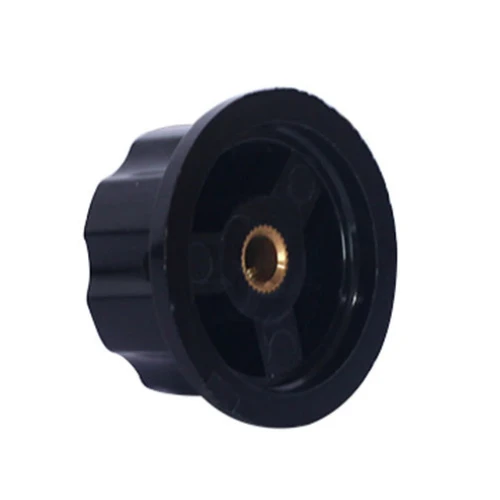
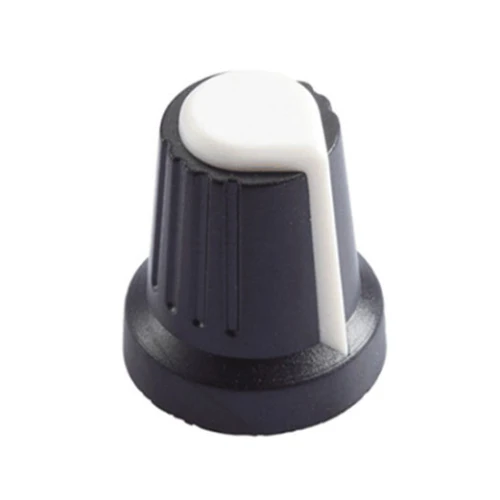
Yes, 6mm potentiometers can accommodate various knob styles, including knurled, fluted, and smooth designs.
8.5 Where can I buy 6mm potentiometer knobs?
6mm potentiometer knobs can be purchased from electronics suppliers, online retailers, and specialty hobby stores.
9. Conclusion
In conclusion, **6mm potentiometer knobs** are invaluable components that enhance the functionality and user experience of electronic devices. Understanding their construction, benefits, applications, and installation process empowers both hobbyists and professionals to maximize their device's potential. By choosing the right potentiometer and addressing common issues, users can ensure smooth operation and longevity. With this comprehensive guide, you’re now equipped to unlock the full potential of your electronic devices with 6mm potentiometer knobs.
Keywords: Unlocking the Potential of Your Devices with 6mm Potentiometer Knobs: A Comprehensive Guide
Related Information
Company news
-
People's Representative Newspaper - Guosheng Technology: With innovation as the lead, explore the road to a powerful country
Time:2023-03-21
-
Green low-carbon integrity demonstration establishment enterprise - Chengdu Guosheng Technology Co., Ltd.
Time:2023-03-21
-
Chengdu Guosheng Technology Co., Ltd. has been awarded as the "Vice President Unit of Sichuan Good Partner Elite Club"
Time:2023-02-21
-
Good news: Chengdu Guosheng Technology Co., Ltd. has won the 2022 Chengdu Social Responsibility Brand Award
Time:2023-02-21
-
Chengdu Guosheng Technology Co., Ltd. was awarded the "Excellent Brand" award in the 2022 Sichuan Entrepreneurs Brand List.
Time:2023-01-18
-
Chinese Communist Party of Chengdu Guosheng Technology Co., Ltd. Branch was established
Time:2017-12-20
-
Guosheng Science and Technology began "to implement the norms of intellectual property management" start the work
Time:2017-12-10
-
Chengdu Guosheng Technology Co., Ltd. to declare the "high-tech enterprises" first instance passed
Time:2017-12-10
-
My company's products much favored customers
Time:2014-05-14
Knowledge
-
Understanding Trimmer Potentiometers: Essential Insights for Electronics Professionals
Time:2024-10-16
-
Top Applications of Trimmer Potentiometers in Modern Devices
Time:2024-10-08
-
Understanding Trimmer Potentiometers: A Comprehensive Guide for Professionals
Time:2024-10-07
-
Understanding Trimmer Potentiometers: A Comprehensive Guide to Adjustable Resistance
Time:2024-10-06
-
Understanding Trimmer Potentiometers: Essential Insights for Electronics Professionals
Time:2024-10-05
-
How to Properly Use a 3296 Potentiometer for Optimal Performance
Time:2024-10-04
-
Understanding the Versatility and Applications of the 3296 Potentiometer
Time:2024-10-03
-
Top Applications of the 3296 Potentiometer in Modern Electronics
Time:2024-10-02
-
Unlocking the Potential of 3296 Potentiometers: Essential Insights for Electronic Enthusiasts
Time:2024-10-01
-
Mastering Circuit Adjustments with 10K Trimmer Resistors: A Comprehensive Guide
Time:2024-09-30
-
Understanding the Importance of Trimmer 10k Potentiometers in Electronic Applications
Time:2024-09-29
-
Why 10K Trimmer Resistors Are Essential for Your Electronic Projects
Time:2024-09-28
-
Understanding the Role of the Trimmer 10K in Electronic Components
Time:2024-09-27
-
Innovative Uses for the 3362 Potentiometer in DIY Electronics
Time:2024-09-26
-
Understanding the 3362 Potentiometer: Applications and Benefits in Electronic Components
Time:2024-09-25
-
The Impact of Temperature on the Performance of the 3362 Potentiometer: An In-Depth Analysis
Time:2024-09-24
-
Understanding the 3362 Potentiometer: A Comprehensive Guide for Electronic Applications
Time:2024-09-23
-
A Deep Dive into the Benefits of Using Trimmer 3296 in Circuit Design
Time:2024-09-22
-
Understanding Trimmer 3296: A Comprehensive Guide for Professionals
Time:2024-09-21
-
Exploring the Versatility of the Trimmer 3296 in Potentiometer Applications
Time:2024-09-20
-
Understanding the Trimmer 3296: A Comprehensive Guide for Electronic Component Enthusiasts
Time:2024-09-19
-
Maximize Efficiency: Selecting the Right Trimming Potentiometer for Your Applications
Time:2024-09-18
-
Understanding the 3262W Trimmer: Essential Insights for Professionals
Time:2024-09-17
-
Discover the Advantages of Utilizing Trimmers in Electronic Circuits for Optimal Performance
Time:2024-09-16
-
Understanding the 3262W Trimmer: A Comprehensive Guide for Electronic Components
Time:2024-09-15
-
Enhancing Precision Technology: The Impact of Rotary Encoders and Digital Potentiometers
Time:2024-09-14
-
Understanding Rotary Encoders and Digital Potentiometers: A Comprehensive Guide for Professionals
Time:2024-09-13
-
Revolutionizing Electronic Interfaces with Digital Potentiometers and Rotary Encoders
Time:2024-09-12
-
Understanding the Benefits of Rotary Encoder Digital Potentiometers in Electronics
Time:2024-09-11
-
Mastering the Art of Precision Control with WH138 Potentiometers: A Comprehensive Guide
Time:2024-09-10
-
Understanding the WH138 Potentiometer: A Comprehensive Guide for Professionals
Time:2024-09-09
-
The Evolution of WH138 Potentiometers: From Analog to Digital Age
Time:2024-09-08
-
Understanding WH138 Potentiometers: Key Features and Applications
Time:2024-09-07
-
The Impact of 800W Resistors on Circuit Efficiency and Stability
Time:2024-09-06
-
Understanding the Significance of 800W Resistors in Electronic Components
Time:2024-09-05
-
800W Resistors: Innovating Power Distribution in Electronic Devices
Time:2024-09-04
-
Understanding 800W Resistors: Key Insights for Your Electronic Projects
Time:2024-09-03
-
Day 50: Innovative Ways to Use 6mm Potentiometer Knobs in Your Projects
Time:2024-09-02
-
Day 51: Mastering Precision Control with 6mm Potentiometer Knobs - Unlocking Ultimate Performance
Time:2024-09-01
-
Day 52: Elevate Your Electronics with Stylish 6mm Potentiometer Knobs
Time:2024-08-31
-
Unlocking the Potential of Your Devices with 6mm Potentiometer Knobs: A Comprehensive Guide
Time:2024-08-30
-
Why Choosing the Right Potentiometer Matters: A Comprehensive Exploration of W503 Models
Time:2024-08-29
-
Understanding the W503 Potentiometer: A Key Component in Electronics
Time:2024-08-28
-
Unlocking Precision: The Versatile Applications of W503 Potentiometer
Time:2024-08-27
-
Understanding the W503 Potentiometer: A Key Component in Electronics
Time:2024-08-26
-
Top 5 Benefits of Using Trimmers in Circuit Design: Elevate Your Electronic Projects
Time:2024-08-25
-
Understanding the Role of Trimmer Resistors in Electronic Applications
Time:2024-08-24
-
Unlocking Precision: How Trimmers Revolutionize Electronic Components
Time:2024-08-23
-
Understanding the Trimmer 100k: A Comprehensive Guide to Potentiometers
Time:2024-08-22
-
Why the Trimmer 3296 is Essential for Your Electronic Projects
Time:2024-08-21
-
Understanding the Functionality and Importance of Trimmer 3296 in Electronic Components
Time:2024-08-20
-
Unlocking the Potential of the Trimmer 3296: A Comprehensive Guide to Precision and Performance
Time:2024-08-19
-
Understanding Trimmer 3296: A Comprehensive Guide to Potentiometers
Time:2024-08-18
-
Mastering the 3362 Potentiometer: Essential Tips and Best Practices for Effective Design
Time:2024-08-17
-
Understanding the 3362 Potentiometer: A Key Component in Electronics
Time:2024-08-16
-
Step-by-Step Guide: How to Install a 3362 Potentiometer for Optimal Performance
Time:2024-08-15
-
Understanding the 3362 Potentiometer: A Key Component in Electronic Circuits
Time:2024-08-14
-
Unlocking the Potential of Your Circuit: How 10K Trimmer Resistors Work
Time:2024-08-13
-
Understanding the Role of Trimmer 10k Potentiometers in Electronic Circuits
Time:2024-08-12
-
10K Trimmer Resistors: The Ultimate Guide to Precision Tuning
Time:2024-08-11
-
Understanding the Importance of the Trimmer 10K in Electronic Components
Time:2024-08-10
-
Why the 3296 Potentiometer is a Must-Have for Your Electronics Toolkit
Time:2024-08-09
-
Understanding the 3296 Potentiometer: A Key Component in Electronic Applications
Time:2024-08-08
-
Unlocking the Versatility of the 3296 Potentiometer in Electronic Circuits
Time:2024-08-07
-
Understanding the 3296 Potentiometer: A Comprehensive Guide for Electronics Enthusiasts
Time:2024-08-06
-
Why Trimmer Potentiometers are Essential for Circuit Calibration
Time:2024-08-05
-
Understanding Trimmer Potentiometers: Essential Insights for Electronics Professionals
Time:2024-08-04
-
Unlocking Precision: The Role of Trimmer Potentiometers in Electronics
Time:2024-08-03
-
Understanding Trimmer Potentiometers: A Guide for Electronics Enthusiasts
Time:2024-08-02
Industry information
-
Extrusion process with the mold and extrusion die how to choose
Time:2017-12-20
-
Talking about the Cable Security Level of Wiring Specification
Time:2017-12-20
-
Discussion on High Voltage XLPE Insulation Power Cables
Time:2017-12-20
-
Discussion on Irradiation Crosslinked Power Cables
Time:2017-12-20
-
Talking about superconducting cable compared with conventional cable has the following advantages
Time:2017-12-20
-
Cable detection technology
Time:2017-12-20
-
Identify the quality of the cable can be started from a few simple ways
Time:2017-12-20
-
Factors Affecting RTD Temperature Sensor Measurement
Time:2017-12-18
-
Commonly used low-voltage cables have what
Time:2017-12-18
-
Talking about the cloth wire knowledge
Time:2017-12-18
-
2014 China's electronic components industry welcome development opportunities
Time:2014-05-24