


Exploring the Versatility of the Trimmer 3296 in Potentiometer Applications
Category: Knowledge
Time: 2024-09-20
Summary: Exploring the Versatility of the Trimmer 3296 in Potentiometer Applications Table of Contents 1. Introduction to the Trimmer 3296 Potentiometer 2. What is the Trimmer 3296? 3. Key Specifications of the Trimmer 3296 4. Applications of the Trimmer 3296 in Various Industries 5. Advantages of Using the Trimmer 3296 6. Types of Trimmer 3296 Potentiometers 7. Installation and Usage Guidelines 8. Troubl
Exploring the Versatility of the Trimmer 3296 in Potentiometer Applications
Table of Contents
- 1. Introduction to the Trimmer 3296 Potentiometer
- 2. What is the Trimmer 3296?
- 3. Key Specifications of the Trimmer 3296
- 4. Applications of the Trimmer 3296 in Various Industries
- 5. Advantages of Using the Trimmer 3296
- 6. Types of Trimmer 3296 Potentiometers
- 7. Installation and Usage Guidelines
- 8. Troubleshooting Common Issues with Trimmer 3296
- 9. Conclusion
- 10. FAQs
1. Introduction to the Trimmer 3296 Potentiometer
In the realm of electronic components, potentiometers play an indispensable role in various applications, ranging from consumer electronics to industrial devices. Among these, the **Trimmer 3296** stands out due to its versatility and reliability. This article aims to explore the manifold applications of the Trimmer 3296 potentiometer, elucidating its specifications, types, advantages, and best practices for installation and usage.
2. What is the Trimmer 3296?
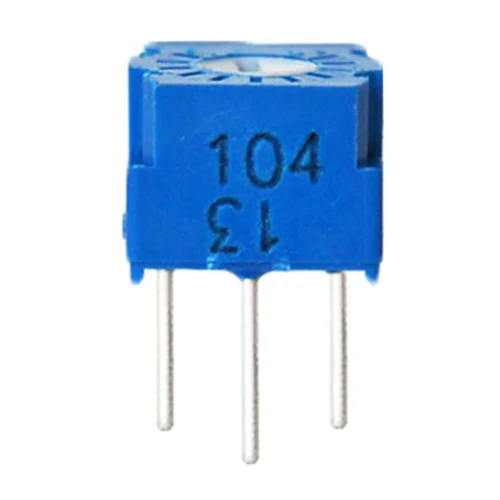
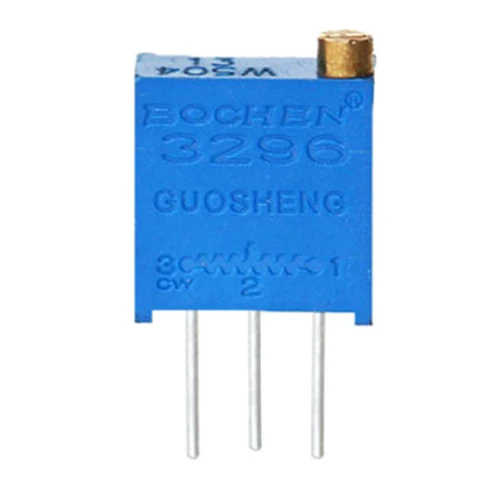
The **Trimmer 3296** is a type of adjustable potentiometer that allows users to fine-tune resistance values in electronic circuits. These miniature components are typically used for calibration and tuning purposes, enabling engineers and hobbyists to achieve optimal performance in their designs. Available in various resistance values and configurations, the Trimmer 3296 is ideal for applications where precision is paramount.
Understanding Potentiometers
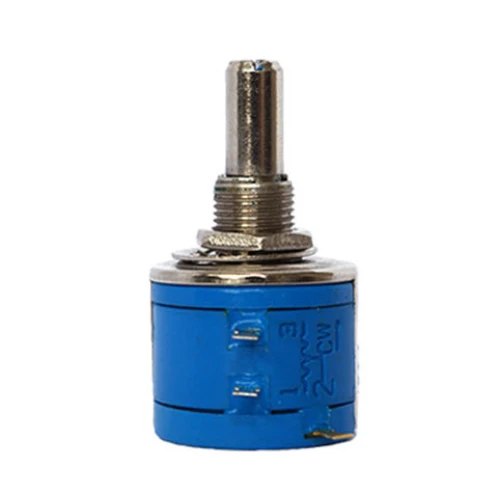
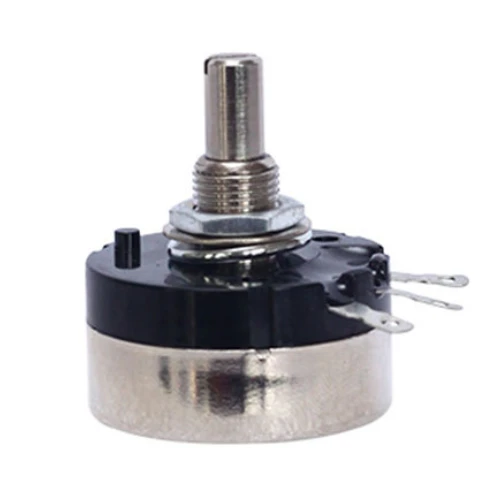
Before delving deeper into the Trimmer 3296, it's essential to understand what a potentiometer is. A potentiometer is a three-terminal resistor with a sliding or rotating contact that forms an adjustable voltage divider. By adjusting the position of the contact, users can alter the resistance and, consequently, the voltage output.
3. Key Specifications of the Trimmer 3296
The Trimmer 3296 boasts several specifications that contribute to its wide-ranging applicability. Below are key features:
Resistance Values
The Trimmer 3296 is available in various resistance values, typically ranging from **10 ohms to 1 megaohm**. This wide range allows for versatility in different circuit designs.
Tolerance
Trimmer 3296 potentiometers usually come with a **tolerance level of ±10% to ±20%**, ensuring reliability and consistency in performance.
Temperature Coefficient
With a temperature coefficient of **±100 to ±300 ppm/°C**, the Trimmer 3296 maintains stable performance across varying temperatures, making it suitable for diverse environments.
Power Rating
Typically, the **power rating** for the Trimmer 3296 is around **0.1 watts**, making it suitable for low-power applications.
4. Applications of the Trimmer 3296 in Various Industries
The versatility of the Trimmer 3296 makes it applicable in numerous fields. Let's explore some prominent applications:
Consumer Electronics
In consumer electronics, the Trimmer 3296 is widely used for audio equipment, television sets, and other devices that require fine adjustments in sound and signal levels.
Automotive Industry
The automotive industry employs the Trimmer 3296 in dashboard instruments, where precise calibration of gauges and sensors is essential for accurate readings.
Medical Equipment
In medical devices, precision is critical. The Trimmer 3296 is used in various monitoring devices, ensuring accurate readings and reliable performance.
Telecommunications
Telecommunication equipment frequently incorporates the Trimmer 3296 for tuning and calibration, enhancing signal clarity and strength.
Industrial Automation
In industrial automation, the Trimmer 3296 is utilized for calibrating sensors and actuators, contributing to the efficiency and effectiveness of automated processes.
5. Advantages of Using the Trimmer 3296
Several advantages make the Trimmer 3296 a preferred choice among engineers and designers:
Compact Size
The small form factor of the Trimmer 3296 allows it to fit into compact electronic designs, making it ideal for modern devices where space is at a premium.
Ease of Adjustment
The Trimmer 3296 features a straightforward adjustment mechanism, enabling users to easily calibrate resistance values without sophisticated tools.
Durability
Constructed to withstand various environmental conditions, the Trimmer 3296 exhibits remarkable durability, ensuring long-lasting performance in demanding applications.
High Precision
With its ability to deliver accurate resistance values, the Trimmer 3296 is invaluable in applications requiring precise measurements and adjustments.
6. Types of Trimmer 3296 Potentiometers
The Trimmer 3296 comes in different types based on configuration and resistance values. Understanding these types can help users select the right component for their needs:
SMD Trimmer Potentiometers
Surface Mount Device (SMD) versions of the Trimmer 3296 are suitable for modern electronic designs where space efficiency and low-profile components are critical.
Through-Hole Trimmer Potentiometers
Through-hole versions offer robustness and are commonly used in prototyping and applications where accessibility for adjustment is crucial.
Multi-turn Trimmer Potentiometers
Multi-turn variants enable finer adjustments, making them ideal for applications requiring high precision.
7. Installation and Usage Guidelines
Proper installation and usage of the Trimmer 3296 are essential for optimal performance. Below are guidelines to follow:
Preparation
Before installation, ensure that the circuit is powered off and all components are correctly aligned.
Mounting
For SMD versions, use proper soldering techniques to avoid damage. For through-hole types, ensure secure placement in the PCB.
Adjustment
Utilize a suitable tool, such as a screwdriver, to adjust the resistance value carefully. Make incremental adjustments for precision.
8. Troubleshooting Common Issues with Trimmer 3296
Despite its reliability, users may encounter issues with the Trimmer 3296. Here are common problems and their solutions:
Adjustment Difficulty
If the adjustment feels stiff or unresponsive, check for any obstructions or physical damage to the component.
Inconsistent Resistance Values
Inconsistency may arise from poor soldering or connection issues. Inspect solder joints and ensure proper contact with the circuit.
Overheating
If the Trimmer 3296 overheats, it could indicate excessive current flow. Review circuit specifications and ensure compliance with power ratings.
9. Conclusion
The versatility of the Trimmer 3296 potentiometer makes it a vital component across various electronic applications. Its compact size, ease of adjustment, and durability ensure that it meets the demands of modern designs. By understanding its specifications, applications, and installation guidelines, engineers and hobbyists can effectively leverage the Trimmer 3296 to enhance their projects. Embracing its capabilities paves the way for precision and reliability in electronic design.
10. FAQs
1. What is the difference between a trimmer potentiometer and a regular potentiometer?
A trimmer potentiometer is designed for calibration and fine-tuning applications, while regular potentiometers are generally used for user-adjustable applications.
2. Can I use the Trimmer 3296 in high-power applications?
No, the Trimmer 3296 is designed for low-power applications, with a typical power rating of 0.1 watts.
3. How do I know if a Trimmer 3296 potentiometer is faulty?
Signs of a faulty Trimmer 3296 may include inconsistent resistance values, difficulty in adjustment, or overheating during operation.
4. What tools do I need to adjust the Trimmer 3296?
A small screwdriver or a trimmer adjustment tool is typically used for adjusting the Trimmer 3296.
5. Are Trimmer 3296 potentiometers interchangeable?
While Trimmer 3296 potentiometers may have similar specifications, it's essential to match resistance values, tolerances, and physical dimensions for proper functionality in a circuit.
Keywords: Exploring the Versatility of the Trimmer 3296 in Potentiometer Applications
Related Information
Company news
-
People's Representative Newspaper - Guosheng Technology: With innovation as the lead, explore the road to a powerful country
Time:2023-03-21
-
Green low-carbon integrity demonstration establishment enterprise - Chengdu Guosheng Technology Co., Ltd.
Time:2023-03-21
-
Chengdu Guosheng Technology Co., Ltd. has been awarded as the "Vice President Unit of Sichuan Good Partner Elite Club"
Time:2023-02-21
-
Good news: Chengdu Guosheng Technology Co., Ltd. has won the 2022 Chengdu Social Responsibility Brand Award
Time:2023-02-21
-
Chengdu Guosheng Technology Co., Ltd. was awarded the "Excellent Brand" award in the 2022 Sichuan Entrepreneurs Brand List.
Time:2023-01-18
-
Chinese Communist Party of Chengdu Guosheng Technology Co., Ltd. Branch was established
Time:2017-12-20
-
Guosheng Science and Technology began "to implement the norms of intellectual property management" start the work
Time:2017-12-10
-
Chengdu Guosheng Technology Co., Ltd. to declare the "high-tech enterprises" first instance passed
Time:2017-12-10
-
My company's products much favored customers
Time:2014-05-14
Knowledge
-
Understanding Trimmer Potentiometers: Essential Insights for Electronics Professionals
Time:2024-10-16
-
Top Applications of Trimmer Potentiometers in Modern Devices
Time:2024-10-08
-
Understanding Trimmer Potentiometers: A Comprehensive Guide for Professionals
Time:2024-10-07
-
Understanding Trimmer Potentiometers: A Comprehensive Guide to Adjustable Resistance
Time:2024-10-06
-
Understanding Trimmer Potentiometers: Essential Insights for Electronics Professionals
Time:2024-10-05
-
How to Properly Use a 3296 Potentiometer for Optimal Performance
Time:2024-10-04
-
Understanding the Versatility and Applications of the 3296 Potentiometer
Time:2024-10-03
-
Top Applications of the 3296 Potentiometer in Modern Electronics
Time:2024-10-02
-
Unlocking the Potential of 3296 Potentiometers: Essential Insights for Electronic Enthusiasts
Time:2024-10-01
-
Mastering Circuit Adjustments with 10K Trimmer Resistors: A Comprehensive Guide
Time:2024-09-30
-
Understanding the Importance of Trimmer 10k Potentiometers in Electronic Applications
Time:2024-09-29
-
Why 10K Trimmer Resistors Are Essential for Your Electronic Projects
Time:2024-09-28
-
Understanding the Role of the Trimmer 10K in Electronic Components
Time:2024-09-27
-
Innovative Uses for the 3362 Potentiometer in DIY Electronics
Time:2024-09-26
-
Understanding the 3362 Potentiometer: Applications and Benefits in Electronic Components
Time:2024-09-25
-
The Impact of Temperature on the Performance of the 3362 Potentiometer: An In-Depth Analysis
Time:2024-09-24
-
Understanding the 3362 Potentiometer: A Comprehensive Guide for Electronic Applications
Time:2024-09-23
-
A Deep Dive into the Benefits of Using Trimmer 3296 in Circuit Design
Time:2024-09-22
-
Understanding Trimmer 3296: A Comprehensive Guide for Professionals
Time:2024-09-21
-
Exploring the Versatility of the Trimmer 3296 in Potentiometer Applications
Time:2024-09-20
-
Understanding the Trimmer 3296: A Comprehensive Guide for Electronic Component Enthusiasts
Time:2024-09-19
-
Maximize Efficiency: Selecting the Right Trimming Potentiometer for Your Applications
Time:2024-09-18
-
Understanding the 3262W Trimmer: Essential Insights for Professionals
Time:2024-09-17
-
Discover the Advantages of Utilizing Trimmers in Electronic Circuits for Optimal Performance
Time:2024-09-16
-
Understanding the 3262W Trimmer: A Comprehensive Guide for Electronic Components
Time:2024-09-15
-
Enhancing Precision Technology: The Impact of Rotary Encoders and Digital Potentiometers
Time:2024-09-14
-
Understanding Rotary Encoders and Digital Potentiometers: A Comprehensive Guide for Professionals
Time:2024-09-13
-
Revolutionizing Electronic Interfaces with Digital Potentiometers and Rotary Encoders
Time:2024-09-12
-
Understanding the Benefits of Rotary Encoder Digital Potentiometers in Electronics
Time:2024-09-11
-
Mastering the Art of Precision Control with WH138 Potentiometers: A Comprehensive Guide
Time:2024-09-10
-
Understanding the WH138 Potentiometer: A Comprehensive Guide for Professionals
Time:2024-09-09
-
The Evolution of WH138 Potentiometers: From Analog to Digital Age
Time:2024-09-08
-
Understanding WH138 Potentiometers: Key Features and Applications
Time:2024-09-07
-
The Impact of 800W Resistors on Circuit Efficiency and Stability
Time:2024-09-06
-
Understanding the Significance of 800W Resistors in Electronic Components
Time:2024-09-05
-
800W Resistors: Innovating Power Distribution in Electronic Devices
Time:2024-09-04
-
Understanding 800W Resistors: Key Insights for Your Electronic Projects
Time:2024-09-03
-
Day 50: Innovative Ways to Use 6mm Potentiometer Knobs in Your Projects
Time:2024-09-02
-
Day 51: Mastering Precision Control with 6mm Potentiometer Knobs - Unlocking Ultimate Performance
Time:2024-09-01
-
Day 52: Elevate Your Electronics with Stylish 6mm Potentiometer Knobs
Time:2024-08-31
-
Unlocking the Potential of Your Devices with 6mm Potentiometer Knobs: A Comprehensive Guide
Time:2024-08-30
-
Why Choosing the Right Potentiometer Matters: A Comprehensive Exploration of W503 Models
Time:2024-08-29
-
Understanding the W503 Potentiometer: A Key Component in Electronics
Time:2024-08-28
-
Unlocking Precision: The Versatile Applications of W503 Potentiometer
Time:2024-08-27
-
Understanding the W503 Potentiometer: A Key Component in Electronics
Time:2024-08-26
-
Top 5 Benefits of Using Trimmers in Circuit Design: Elevate Your Electronic Projects
Time:2024-08-25
-
Understanding the Role of Trimmer Resistors in Electronic Applications
Time:2024-08-24
-
Unlocking Precision: How Trimmers Revolutionize Electronic Components
Time:2024-08-23
-
Understanding the Trimmer 100k: A Comprehensive Guide to Potentiometers
Time:2024-08-22
-
Why the Trimmer 3296 is Essential for Your Electronic Projects
Time:2024-08-21
-
Understanding the Functionality and Importance of Trimmer 3296 in Electronic Components
Time:2024-08-20
-
Unlocking the Potential of the Trimmer 3296: A Comprehensive Guide to Precision and Performance
Time:2024-08-19
-
Understanding Trimmer 3296: A Comprehensive Guide to Potentiometers
Time:2024-08-18
-
Mastering the 3362 Potentiometer: Essential Tips and Best Practices for Effective Design
Time:2024-08-17
-
Understanding the 3362 Potentiometer: A Key Component in Electronics
Time:2024-08-16
-
Step-by-Step Guide: How to Install a 3362 Potentiometer for Optimal Performance
Time:2024-08-15
-
Understanding the 3362 Potentiometer: A Key Component in Electronic Circuits
Time:2024-08-14
-
Unlocking the Potential of Your Circuit: How 10K Trimmer Resistors Work
Time:2024-08-13
-
Understanding the Role of Trimmer 10k Potentiometers in Electronic Circuits
Time:2024-08-12
-
10K Trimmer Resistors: The Ultimate Guide to Precision Tuning
Time:2024-08-11
-
Understanding the Importance of the Trimmer 10K in Electronic Components
Time:2024-08-10
-
Why the 3296 Potentiometer is a Must-Have for Your Electronics Toolkit
Time:2024-08-09
-
Understanding the 3296 Potentiometer: A Key Component in Electronic Applications
Time:2024-08-08
-
Unlocking the Versatility of the 3296 Potentiometer in Electronic Circuits
Time:2024-08-07
-
Understanding the 3296 Potentiometer: A Comprehensive Guide for Electronics Enthusiasts
Time:2024-08-06
-
Why Trimmer Potentiometers are Essential for Circuit Calibration
Time:2024-08-05
-
Understanding Trimmer Potentiometers: Essential Insights for Electronics Professionals
Time:2024-08-04
-
Unlocking Precision: The Role of Trimmer Potentiometers in Electronics
Time:2024-08-03
-
Understanding Trimmer Potentiometers: A Guide for Electronics Enthusiasts
Time:2024-08-02
Industry information
-
Extrusion process with the mold and extrusion die how to choose
Time:2017-12-20
-
Talking about the Cable Security Level of Wiring Specification
Time:2017-12-20
-
Discussion on High Voltage XLPE Insulation Power Cables
Time:2017-12-20
-
Discussion on Irradiation Crosslinked Power Cables
Time:2017-12-20
-
Talking about superconducting cable compared with conventional cable has the following advantages
Time:2017-12-20
-
Cable detection technology
Time:2017-12-20
-
Identify the quality of the cable can be started from a few simple ways
Time:2017-12-20
-
Factors Affecting RTD Temperature Sensor Measurement
Time:2017-12-18
-
Commonly used low-voltage cables have what
Time:2017-12-18
-
Talking about the cloth wire knowledge
Time:2017-12-18
-
2014 China's electronic components industry welcome development opportunities
Time:2014-05-24