


Day 54: The Art of Adjusting Voltage with 6mm Potentiometer Knobs
Category: Potentiometer Knobs 6mm
Time: 2024-08-01
Summary: Day 54: The Art of Adjusting Voltage with 6mm Potentiometer Knobs Table of Contents Introduction to Potentiometers Understanding 6mm Potentiometer Knobs How Potentiometers Work Applications of Potentiometers in Electronics Choosing the Right Potentiometer for Your Project Step-by-Step Guide to Adjusting Voltage Troubleshooting Common Potentiometer Issues Best Prac
Day 54: The Art of Adjusting Voltage with 6mm Potentiometer Knobs
Table of Contents
- Introduction to Potentiometers
- Understanding 6mm Potentiometer Knobs
- How Potentiometers Work
- Applications of Potentiometers in Electronics
- Choosing the Right Potentiometer for Your Project
- Step-by-Step Guide to Adjusting Voltage
- Troubleshooting Common Potentiometer Issues
- Best Practices for Using Potentiometers
- Frequently Asked Questions
Introduction to Potentiometers
Potentiometers are essential components in the world of electronics, serving as variable resistors that allow for the adjustment of voltage levels in circuits. Understanding these components is crucial for anyone involved in electronics, from novice hobbyists to seasoned engineers.
What sets **6mm potentiometer knobs** apart is their compact size and precision, making them ideal for both small devices and larger equipment where space is at a premium. In this article, we will explore the art of adjusting voltage using these knobs, equipping you with the knowledge to effectively incorporate them into your designs.
Understanding 6mm Potentiometer Knobs
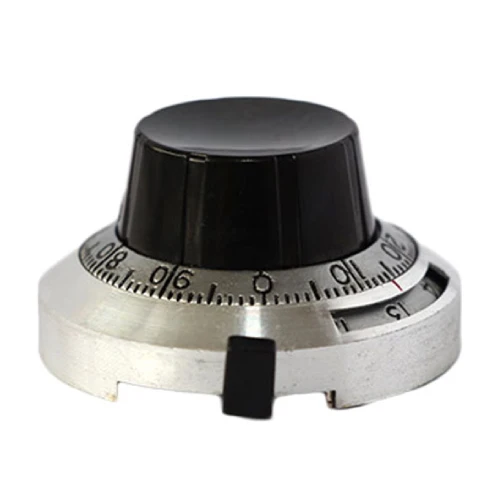
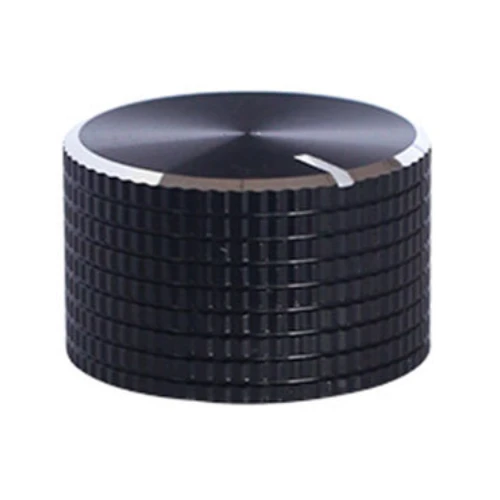
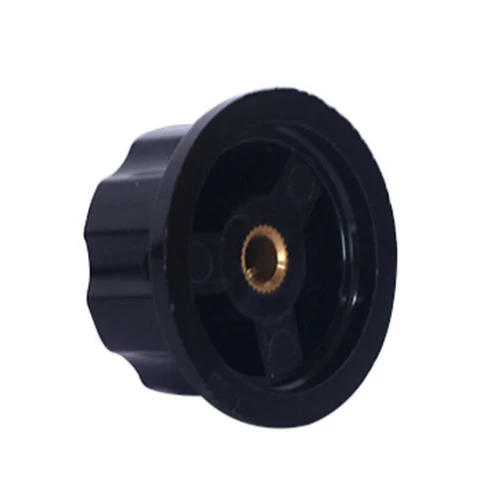
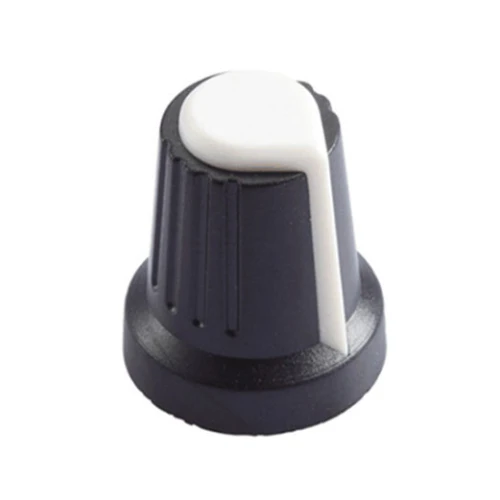
**6mm potentiometer knobs** typically refer to the diameter of the knob itself, which is a standard size used in various applications. These knobs are often employed in devices requiring manual voltage adjustments, such as audio equipment, lighting controls, and many other electronic gadgets.
These potentiometers function based on the principle of resistive division, allowing users to smoothly transition between different voltage levels. Their simplicity and effectiveness make them a staple in electronic design.
Types of Potentiometers
There are several types of potentiometers, each with its unique characteristics. Understanding these types is essential when selecting the right potentiometer for your needs. The most common types include:
- **Rotary Potentiometers**: These allow for circular movement, making them easy to adjust with a simple twist.
- **Slide Potentiometers**: These are adjusted by sliding a control along a track, often used in mixing consoles.
- **Digital Potentiometers**: These are controlled by digital signals, providing automated adjustment capabilities.
How Potentiometers Work
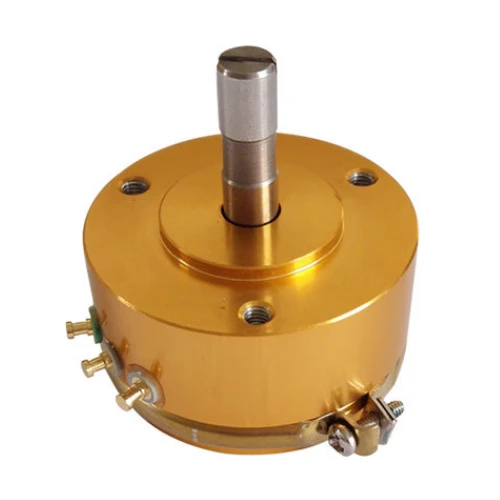
Potentiometers operate on a basic principle: they divide voltage to create a variable output. When you turn the **6mm potentiometer knob**, you change the resistance between the input voltage and the output, which in turn adjusts the voltage sent to the connected circuit.
The mechanical movement of the knob moves a wiper across a resistive element, altering the effective resistance that the circuit experiences. This allows for precise control over the output voltage, enabling fine-tuning for various applications.
The Voltage Divider Circuit
At the core of potentiometer operation is the voltage divider circuit. A potentiometer can be visualized as a simple voltage divider consisting of three terminals:
1. **Input Voltage (V_in)**: The voltage supplied to the potentiometer.
2. **Wiper Terminal (V_out)**: The output voltage taken from the wiper.
3. **Ground (V_gnd)**: The reference point for the circuit, typically connected to the negative side of the power supply.
By adjusting the position of the wiper, users can control the division of voltage between the input and ground, resulting in a variable output voltage at the wiper terminal. This capability is what makes potentiometers invaluable in many electronic applications.
Applications of Potentiometers in Electronics
Potentiometers serve a myriad of purposes in electronic devices. Below are some common applications:
1. Audio Equipment
In audio devices, potentiometers are often used as volume controls. Adjusting the knob changes the output level, allowing users to customize their listening experience.
2. Lighting Controls
Potentiometers are frequently used in lighting systems, enabling gradual dimming and brightening of lights based on user preference.
3. Sensor Calibration
In sensor applications, potentiometers can be used for calibration purposes, allowing for fine adjustments to ensure accurate readings.
4. Motor Speed Control
In motorized applications, potentiometers can help regulate the speed of motors by adjusting the voltage supplied to them.
5. Educational Kits
Potentiometers are commonly included in educational electronics kits, providing students with hands-on experience in understanding voltage control and circuit design.
Choosing the Right Potentiometer for Your Project
Choosing the correct potentiometer is crucial for the success of your project. Consider these factors when making your selection:
1. Resistance Value
The resistance value of the potentiometer should align with the requirements of your circuit. Common values include 1kΩ, 10kΩ, and 100kΩ.
2. Taper Type
Potentiometers come in two main taper types: linear and logarithmic. Linear tapers provide a consistent change in resistance across the range, while logarithmic tapers are ideal for audio applications where perception of volume is non-linear.
3. Power Rating
Ensure the power rating of the potentiometer matches the requirements of your project to avoid overheating and potential failure.
4. Size and Form Factor
Consider the physical size of the potentiometer. A **6mm potentiometer** is compact, making it suitable for space-constrained applications.
5. Mounting Type
Select a potentiometer with an appropriate mounting type (e.g., panel mount, PCB mount) based on your design needs.
Step-by-Step Guide to Adjusting Voltage
Adjusting voltage using a **6mm potentiometer knob** is straightforward. Follow this step-by-step guide to ensure effective voltage control in your projects:
Step 1: Identify Your Circuit
Before making adjustments, familiarize yourself with the circuit you are working on. Determine where the potentiometer will be integrated and the expected voltage levels.
Step 2: Connect the Potentiometer
Connect the potentiometer to the circuit ensuring proper alignment of the terminals. The input voltage should connect to one terminal, the ground to the other, and the wiper to the output.
Step 3: Turn the Knob
Gently turn the **6mm potentiometer knob** to adjust the resistance. Monitor the output voltage as you make adjustments to achieve the desired level.
Step 4: Test the Circuit
After making adjustments, test the circuit to ensure it operates as intended. Check for stability and responsiveness to the knob's rotation.
Step 5: Finalize Your Settings
Once you achieve the desired voltage adjustment, secure any connections and finalize your design.
Troubleshooting Common Potentiometer Issues
Even with careful setup, issues can occasionally arise when using potentiometers. Here are some common problems and their solutions:
1. No Output Voltage
If there is no output voltage, check your connections to ensure they're secure and correctly aligned with the circuit.
2. Intermittent Adjustments
If the potentiometer does not provide a smooth adjustment, it may be dirty or worn. Consider cleaning the component or replacing it.
3. Inaccurate Voltage Readings
Ensure the potentiometer is of adequate resistance value for the application. Using the wrong value can lead to inaccurate readings.
4. Overheating
If the potentiometer is overheating, double-check the power rating in relation to the circuit's requirements and consider upgrading to a higher-rated component.
Best Practices for Using Potentiometers
To ensure optimal performance and longevity of your potentiometers, follow these best practices:
1. Avoid Extreme Adjustments
Avoid turning the knob to its extreme limits frequently, as this can cause wear over time.
2. Regular Maintenance
Periodically check and clean your potentiometers to prevent issues related to dust and debris.
3. Use in Appropriate Applications
Only use potentiometers in applications for which they are designed, as improper use can lead to premature failure.
4. Select High-Quality Components
Invest in quality potentiometers from reputable manufacturers to ensure reliability and performance.
5. Document Settings
Keep a record of your potentiometer settings, especially in complex projects, to facilitate troubleshooting and adjustments in the future.
Frequently Asked Questions
1. What is a potentiometer?
A potentiometer is a variable resistor that allows users to adjust voltage levels in a circuit by changing resistance.
2. How do I know if I need a linear or logarithmic potentiometer?
If your application involves audio control, a logarithmic potentiometer is recommended. For general applications, a linear potentiometer is often suitable.
3. Can I use a potentiometer in high-power applications?
Potentiometers are typically low-power devices. For high-power applications, consider alternate solutions such as digital potentiometers or variable resistors designed for higher loads.
4. How do I clean a potentiometer?
You can use a specialized contact cleaner to clean a potentiometer. Apply it according to the manufacturer's instructions while ensuring the component is disconnected from power.
5. What happens if I turn the potentiometer knob too far?
Turning the knob excessively can lead to mechanical failure or damage over time. It is best to operate within the specified range.
Conclusion
Understanding the art of adjusting voltage with **6mm potentiometer knobs** is an invaluable skill for anyone working in electronics. These compact components provide a straightforward yet powerful means of controlling voltage levels in various applications. By mastering their use, you can enhance your electronic projects, ensuring they operate flawlessly and meet your design specifications. Whether you’re adjusting audio levels, calibrating sensors, or fine-tuning motor speeds, the knowledge gained from this exploration equips you for success. Embrace the potential that potentiometers offer and elevate your circuit design capabilities.
Day 54: The Art of Adjusting Voltage with 6mm Potentiometer Knobs
Table of Contents
- Introduction to Potentiometers
- Understanding 6mm Potentiometer Knobs
- How Potentiometers Work
- Applications of Potentiometers in Electronics
- Choosing the Right Potentiometer for Your Project
- Step-by-Step Guide to Adjusting Voltage
- Troubleshooting Common Potentiometer Issues
- Best Practices for Using Potentiometers
- Frequently Asked Questions
Introduction to Potentiometers
Potentiometers are essential components in the world of electronics, serving as variable resistors that allow for the adjustment of voltage levels in circuits. Understanding these components is crucial for anyone involved in electronics, from novice hobbyists to seasoned engineers.
What sets **6mm potentiometer knobs** apart is their compact size and precision, making them ideal for both small devices and larger equipment where space is at a premium. In this article, we will explore the art of adjusting voltage using these knobs, equipping you with the knowledge to effectively incorporate them into your designs.
Understanding 6mm Potentiometer Knobs
**6mm potentiometer knobs** typically refer to the diameter of the knob itself, which is a standard size used in various applications. These knobs are often employed in devices requiring manual voltage adjustments, such as audio equipment, lighting controls, and many other electronic gadgets.
These potentiometers function based on the principle of resistive division, allowing users to smoothly transition between different voltage levels. Their simplicity and effectiveness make them a staple in electronic design.
Types of Potentiometers
There are several types of potentiometers, each with its unique characteristics. Understanding these types is essential when selecting the right potentiometer for your needs. The most common types include:
- **Rotary Potentiometers**: These allow for circular movement, making them easy to adjust with a simple twist.
- **Slide Potentiometers**: These are adjusted by sliding a control along a track, often used in mixing consoles.
- **Digital Potentiometers**: These are controlled by digital signals, providing automated adjustment capabilities.
How Potentiometers Work
Potentiometers operate on a basic principle: they divide voltage to create a variable output. When you turn the **6mm potentiometer knob**, you change the resistance between the input voltage and the output, which in turn adjusts the voltage sent to the connected circuit.
The mechanical movement of the knob moves a wiper across a resistive element, altering the effective resistance that the circuit experiences. This allows for precise control over the output voltage, enabling fine-tuning for various applications.
The Voltage Divider Circuit
At the core of potentiometer operation is the voltage divider circuit. A potentiometer can be visualized as a simple voltage divider consisting of three terminals:
1. **Input Voltage (V_in)**: The voltage supplied to the potentiometer.
2. **Wiper Terminal (V_out)**: The output voltage taken from the wiper.
3. **Ground (V_gnd)**: The reference point for the circuit, typically connected to the negative side of the power supply.
By adjusting the position of the wiper, users can control the division of voltage between the input and ground, resulting in a variable output voltage at the wiper terminal. This capability is what makes potentiometers invaluable in many electronic applications.
Applications of Potentiometers in Electronics
Potentiometers serve a myriad of purposes in electronic devices. Below are some common applications:
1. Audio Equipment
In audio devices, potentiometers are often used as volume controls. Adjusting the knob changes the output level, allowing users to customize their listening experience.
2. Lighting Controls
Potentiometers are frequently used in lighting systems, enabling gradual dimming and brightening of lights based on user preference.
3. Sensor Calibration
In sensor applications, potentiometers can be used for calibration purposes, allowing for fine adjustments to ensure accurate readings.
4. Motor Speed Control
In motorized applications, potentiometers can help regulate the speed of motors by adjusting the voltage supplied to them.
5. Educational Kits
Potentiometers are commonly included in educational electronics kits, providing students with hands-on experience in understanding voltage control and circuit design.
Choosing the Right Potentiometer for Your Project
Choosing the correct potentiometer is crucial for the success of your project. Consider these factors when making your selection:
1. Resistance Value
The resistance value of the potentiometer should align with the requirements of your circuit. Common values include 1kΩ, 10kΩ, and 100kΩ.
2. Taper Type
Potentiometers come in two main taper types: linear and logarithmic. Linear tapers provide a consistent change in resistance across the range, while logarithmic tapers are ideal for audio applications where perception of volume is non-linear.
3. Power Rating
Ensure the power rating of the potentiometer matches the requirements of your project to avoid overheating and potential failure.
4. Size and Form Factor
Consider the physical size of the potentiometer. A **6mm potentiometer** is compact, making it suitable for space-constrained applications.
5. Mounting Type
Select a potentiometer with an appropriate mounting type (e.g., panel mount, PCB mount) based on your design needs.
Step-by-Step Guide to Adjusting Voltage
Adjusting voltage using a **6mm potentiometer knob** is straightforward. Follow this step-by-step guide to ensure effective voltage control in your projects:
Step 1: Identify Your Circuit
Before making adjustments, familiarize yourself with the circuit you are working on. Determine where the potentiometer will be integrated and the expected voltage levels.
Step 2: Connect the Potentiometer
Connect the potentiometer to the circuit ensuring proper alignment of the terminals. The input voltage should connect to one terminal, the ground to the other, and the wiper to the output.
Step 3: Turn the Knob
Gently turn the **6mm potentiometer knob** to adjust the resistance. Monitor the output voltage as you make adjustments to achieve the desired level.
Step 4: Test the Circuit
After making adjustments, test the circuit to ensure it operates as intended. Check for stability and responsiveness to the knob's rotation.
Step 5: Finalize Your Settings
Once you achieve the desired voltage adjustment, secure any connections and finalize your design.
Troubleshooting Common Potentiometer Issues
Even with careful setup, issues can occasionally arise when using potentiometers. Here are some common problems and their solutions:
1. No Output Voltage
If there is no output voltage, check your connections to ensure they're secure and correctly aligned with the circuit.
2. Intermittent Adjustments
If the potentiometer does not provide a smooth adjustment, it may be dirty or worn. Consider cleaning the component or replacing it.
3. Inaccurate Voltage Readings
Ensure the potentiometer is of adequate resistance value for the application. Using the wrong value can lead to inaccurate readings.
4. Overheating
If the potentiometer is overheating, double-check the power rating in relation to the circuit's requirements and consider upgrading to a higher-rated component.
Best Practices for Using Potentiometers
To ensure optimal performance and longevity of your potentiometers, follow these best practices:
1. Avoid Extreme Adjustments
Avoid turning the knob to its extreme limits frequently, as this can cause wear over time.
2. Regular Maintenance
Periodically check and clean your potentiometers to prevent issues related to dust and debris.
3. Use in Appropriate Applications
Only use potentiometers in applications for which they are designed, as improper use can lead to premature failure.
4. Select High-Quality Components
Invest in quality potentiometers from reputable manufacturers to ensure reliability and performance.
5. Document Settings
Keep a record of your potentiometer settings, especially in complex projects, to facilitate troubleshooting and adjustments in the future.
Frequently Asked Questions
1. What is a potentiometer?
A potentiometer is a variable resistor that allows users to adjust voltage levels in a circuit by changing resistance.
2. How do I know if I need a linear or logarithmic potentiometer?
If your application involves audio control, a logarithmic potentiometer is recommended. For general applications, a linear potentiometer is often suitable.
3. Can I use a potentiometer in high-power applications?
Potentiometers are typically low-power devices. For high-power applications, consider alternate solutions such as digital potentiometers or variable resistors designed for higher loads.
4. How do I clean a potentiometer?
You can use a specialized contact cleaner to clean a potentiometer. Apply it according to the manufacturer's instructions while ensuring the component is disconnected from power.
5. What happens if I turn the potentiometer knob too far?
Turning the knob excessively can lead to mechanical failure or damage over time. It is best to operate within the specified range.
Conclusion
Understanding the art of adjusting voltage with **6mm potentiometer knobs** is an invaluable skill for anyone working in electronics. These compact components provide a straightforward yet powerful means of controlling voltage levels in various applications. By mastering their use, you can enhance your electronic projects, ensuring they operate flawlessly and meet your design specifications. Whether you’re adjusting audio levels, calibrating sensors, or fine-tuning motor speeds, the knowledge gained from this exploration equips you for success. Embrace the potential that potentiometers offer and elevate your circuit design capabilities.
Keywords: Day 54: The Art of Adjusting Voltage with 6mm Potentiometer Knobs
Related Information
Company news
-
People's Representative Newspaper - Guosheng Technology: With innovation as the lead, explore the road to a powerful country
Time:2023-03-21
-
Green low-carbon integrity demonstration establishment enterprise - Chengdu Guosheng Technology Co., Ltd.
Time:2023-03-21
-
Chengdu Guosheng Technology Co., Ltd. has been awarded as the "Vice President Unit of Sichuan Good Partner Elite Club"
Time:2023-02-21
-
Good news: Chengdu Guosheng Technology Co., Ltd. has won the 2022 Chengdu Social Responsibility Brand Award
Time:2023-02-21
-
Chengdu Guosheng Technology Co., Ltd. was awarded the "Excellent Brand" award in the 2022 Sichuan Entrepreneurs Brand List.
Time:2023-01-18
-
Chinese Communist Party of Chengdu Guosheng Technology Co., Ltd. Branch was established
Time:2017-12-20
-
Guosheng Science and Technology began "to implement the norms of intellectual property management" start the work
Time:2017-12-10
-
Chengdu Guosheng Technology Co., Ltd. to declare the "high-tech enterprises" first instance passed
Time:2017-12-10
-
My company's products much favored customers
Time:2014-05-14
Knowledge
-
Understanding Trimmer Potentiometers: Essential Insights for Electronics Professionals
Time:2024-10-16
-
Top Applications of Trimmer Potentiometers in Modern Devices
Time:2024-10-08
-
Understanding Trimmer Potentiometers: A Comprehensive Guide for Professionals
Time:2024-10-07
-
Understanding Trimmer Potentiometers: A Comprehensive Guide to Adjustable Resistance
Time:2024-10-06
-
Understanding Trimmer Potentiometers: Essential Insights for Electronics Professionals
Time:2024-10-05
-
How to Properly Use a 3296 Potentiometer for Optimal Performance
Time:2024-10-04
-
Understanding the Versatility and Applications of the 3296 Potentiometer
Time:2024-10-03
-
Top Applications of the 3296 Potentiometer in Modern Electronics
Time:2024-10-02
-
Unlocking the Potential of 3296 Potentiometers: Essential Insights for Electronic Enthusiasts
Time:2024-10-01
-
Mastering Circuit Adjustments with 10K Trimmer Resistors: A Comprehensive Guide
Time:2024-09-30
-
Understanding the Importance of Trimmer 10k Potentiometers in Electronic Applications
Time:2024-09-29
-
Why 10K Trimmer Resistors Are Essential for Your Electronic Projects
Time:2024-09-28
-
Understanding the Role of the Trimmer 10K in Electronic Components
Time:2024-09-27
-
Innovative Uses for the 3362 Potentiometer in DIY Electronics
Time:2024-09-26
-
Understanding the 3362 Potentiometer: Applications and Benefits in Electronic Components
Time:2024-09-25
-
The Impact of Temperature on the Performance of the 3362 Potentiometer: An In-Depth Analysis
Time:2024-09-24
-
Understanding the 3362 Potentiometer: A Comprehensive Guide for Electronic Applications
Time:2024-09-23
-
A Deep Dive into the Benefits of Using Trimmer 3296 in Circuit Design
Time:2024-09-22
-
Understanding Trimmer 3296: A Comprehensive Guide for Professionals
Time:2024-09-21
-
Exploring the Versatility of the Trimmer 3296 in Potentiometer Applications
Time:2024-09-20
-
Understanding the Trimmer 3296: A Comprehensive Guide for Electronic Component Enthusiasts
Time:2024-09-19
-
Maximize Efficiency: Selecting the Right Trimming Potentiometer for Your Applications
Time:2024-09-18
-
Understanding the 3262W Trimmer: Essential Insights for Professionals
Time:2024-09-17
-
Discover the Advantages of Utilizing Trimmers in Electronic Circuits for Optimal Performance
Time:2024-09-16
-
Understanding the 3262W Trimmer: A Comprehensive Guide for Electronic Components
Time:2024-09-15
-
Enhancing Precision Technology: The Impact of Rotary Encoders and Digital Potentiometers
Time:2024-09-14
-
Understanding Rotary Encoders and Digital Potentiometers: A Comprehensive Guide for Professionals
Time:2024-09-13
-
Revolutionizing Electronic Interfaces with Digital Potentiometers and Rotary Encoders
Time:2024-09-12
-
Understanding the Benefits of Rotary Encoder Digital Potentiometers in Electronics
Time:2024-09-11
-
Mastering the Art of Precision Control with WH138 Potentiometers: A Comprehensive Guide
Time:2024-09-10
-
Understanding the WH138 Potentiometer: A Comprehensive Guide for Professionals
Time:2024-09-09
-
The Evolution of WH138 Potentiometers: From Analog to Digital Age
Time:2024-09-08
-
Understanding WH138 Potentiometers: Key Features and Applications
Time:2024-09-07
-
The Impact of 800W Resistors on Circuit Efficiency and Stability
Time:2024-09-06
-
Understanding the Significance of 800W Resistors in Electronic Components
Time:2024-09-05
-
800W Resistors: Innovating Power Distribution in Electronic Devices
Time:2024-09-04
-
Understanding 800W Resistors: Key Insights for Your Electronic Projects
Time:2024-09-03
-
Day 50: Innovative Ways to Use 6mm Potentiometer Knobs in Your Projects
Time:2024-09-02
-
Day 51: Mastering Precision Control with 6mm Potentiometer Knobs - Unlocking Ultimate Performance
Time:2024-09-01
-
Day 52: Elevate Your Electronics with Stylish 6mm Potentiometer Knobs
Time:2024-08-31
-
Unlocking the Potential of Your Devices with 6mm Potentiometer Knobs: A Comprehensive Guide
Time:2024-08-30
-
Why Choosing the Right Potentiometer Matters: A Comprehensive Exploration of W503 Models
Time:2024-08-29
-
Understanding the W503 Potentiometer: A Key Component in Electronics
Time:2024-08-28
-
Unlocking Precision: The Versatile Applications of W503 Potentiometer
Time:2024-08-27
-
Understanding the W503 Potentiometer: A Key Component in Electronics
Time:2024-08-26
-
Top 5 Benefits of Using Trimmers in Circuit Design: Elevate Your Electronic Projects
Time:2024-08-25
-
Understanding the Role of Trimmer Resistors in Electronic Applications
Time:2024-08-24
-
Unlocking Precision: How Trimmers Revolutionize Electronic Components
Time:2024-08-23
-
Understanding the Trimmer 100k: A Comprehensive Guide to Potentiometers
Time:2024-08-22
-
Why the Trimmer 3296 is Essential for Your Electronic Projects
Time:2024-08-21
-
Understanding the Functionality and Importance of Trimmer 3296 in Electronic Components
Time:2024-08-20
-
Unlocking the Potential of the Trimmer 3296: A Comprehensive Guide to Precision and Performance
Time:2024-08-19
-
Understanding Trimmer 3296: A Comprehensive Guide to Potentiometers
Time:2024-08-18
-
Mastering the 3362 Potentiometer: Essential Tips and Best Practices for Effective Design
Time:2024-08-17
-
Understanding the 3362 Potentiometer: A Key Component in Electronics
Time:2024-08-16
-
Step-by-Step Guide: How to Install a 3362 Potentiometer for Optimal Performance
Time:2024-08-15
-
Understanding the 3362 Potentiometer: A Key Component in Electronic Circuits
Time:2024-08-14
-
Unlocking the Potential of Your Circuit: How 10K Trimmer Resistors Work
Time:2024-08-13
-
Understanding the Role of Trimmer 10k Potentiometers in Electronic Circuits
Time:2024-08-12
-
10K Trimmer Resistors: The Ultimate Guide to Precision Tuning
Time:2024-08-11
-
Understanding the Importance of the Trimmer 10K in Electronic Components
Time:2024-08-10
-
Why the 3296 Potentiometer is a Must-Have for Your Electronics Toolkit
Time:2024-08-09
-
Understanding the 3296 Potentiometer: A Key Component in Electronic Applications
Time:2024-08-08
-
Unlocking the Versatility of the 3296 Potentiometer in Electronic Circuits
Time:2024-08-07
-
Understanding the 3296 Potentiometer: A Comprehensive Guide for Electronics Enthusiasts
Time:2024-08-06
-
Why Trimmer Potentiometers are Essential for Circuit Calibration
Time:2024-08-05
-
Understanding Trimmer Potentiometers: Essential Insights for Electronics Professionals
Time:2024-08-04
-
Unlocking Precision: The Role of Trimmer Potentiometers in Electronics
Time:2024-08-03
-
Understanding Trimmer Potentiometers: A Guide for Electronics Enthusiasts
Time:2024-08-02
Industry information
-
Extrusion process with the mold and extrusion die how to choose
Time:2017-12-20
-
Talking about the Cable Security Level of Wiring Specification
Time:2017-12-20
-
Discussion on High Voltage XLPE Insulation Power Cables
Time:2017-12-20
-
Discussion on Irradiation Crosslinked Power Cables
Time:2017-12-20
-
Talking about superconducting cable compared with conventional cable has the following advantages
Time:2017-12-20
-
Cable detection technology
Time:2017-12-20
-
Identify the quality of the cable can be started from a few simple ways
Time:2017-12-20
-
Factors Affecting RTD Temperature Sensor Measurement
Time:2017-12-18
-
Commonly used low-voltage cables have what
Time:2017-12-18
-
Talking about the cloth wire knowledge
Time:2017-12-18
-
2014 China's electronic components industry welcome development opportunities
Time:2014-05-24